
 •
Rating:
•
Rating:
THE REVIEW
1990. In October, the fifth studio album by the diamond king is released. For those unfamiliar, King Diamond's works are authentic metal-horror masterpieces. His vocal style is very distinctive, either you love it or you hate it. His piercing tones perfectly adapt and fit into Mr. LaRoque's guitar style, often lending his voice to the characters of his stories inspired by literature from centuries ago (ghosts, spirits, witches, old castles, and abandoned manors).
1990 is a turning point in King Diamond's career in many respects. Musically, the king, assisted by the ever-present Andy LaRoque, slightly changes direction. No more complicated plots and sudden tempo changes. It's not a drastic change of course, but rather evident, especially for fans. Moreover, it's the first album where the legendary Mikkey Dee does not appear on drums, a great drummer who left the group for economic reasons, joining Lemmy's court in Motorhead. Snowy Shaw will replace him, although the drums on this album are actually sampled. This is certainly the only flaw in an otherwise practically perfect album.
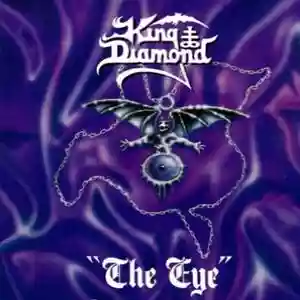
The concept narrates the events surrounding a mysterious eye-shaped amulet belonging to a certain Jeanne Dibasson, who, accused of witchcraft, is tried, tortured, abused, and eventually burned at the stake. During her agony, "the eye" flies away from the witch's neck, continuing to exert its malevolent power in other places and situations throughout the centuries. A peculiar aspect of the concept is the use of real historical figures, creating a story that weaves between reality and fiction in just the right measure.
This is an album where the musical component takes a slight backseat to the vocals. There are excellent riffs and solos, but as I mentioned, there are no long and complex instrumental passages. Every song is a little gem, like the superb "The Trial (Chambre Ardente)", the unsettling "Two Little Girls" (chilling...), the beautiful "Behind This Walls", the instrumental and atmospheric "Insanity", the sinister "The Meetings", and the concluding "The Curse". No drop in tension, no gaps, no filler. In hindsight, the use of the drum machine can be somewhat forgiven. Of course, there isn't that pleasant sense of dynamism and sturdiness that Mikkey Dee could provide, so in general, there is a slight feeling of coldness. Additionally, in some passages, it sounds decidedly fake (the initial drum roll of "Into The Convent"). But all in all, the substance doesn't change, and that's fine...
The album was received somewhat coldly compared to its predecessors, due to a general decline in interest towards traditional heavy metal with the wave of grunge, and also due to the lack of a support tour for which Roadrunner showed little interest. King Diamond would reunite with Mercyful Fate, only to return a few years later and continue his career with its ups and downs.
The curse of "The Eye", it will take you back in time…Loading comments slowly
Summary by Bot
King Diamond's 1990 album The Eye marks a subtle shift in musical style, focusing more on storytelling and vocals over complex instrumentation. The concept centers on a witchcraft trial and a malevolent amulet, blending history and fiction. While the drum machine use is a minor flaw, the album delivers consistent atmosphere and strong tracks. Despite lukewarm reception due to the rise of grunge and lack of tour support, The Eye stands as a compelling work in King Diamond's discography.Tracklist Lyrics Videos
King Diamond
King Diamond (born Kim Bendix Petersen, Copenhagen, 1956) is a Danish heavy metal vocalist known for his theatrical falsetto, horror-themed concept albums, and as the frontman of Mercyful Fate.09 Reviews
