
 •
Rating:
•
Rating:
THE REVIEW
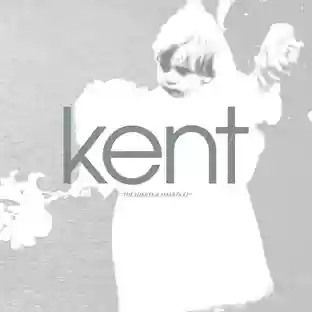
November 2005: a few months after the release of what is probably the most precious piece in Kent's discography, the black "Du Och Jag Döden", a teaser hits the Scandinavian market: the white "The Hjärta och Smärta EP". The contrast between the two is visually clear: grim and dominated by skeletal drawings the first, pure and full of sacred images the second; however, at the content level, the separation is not as evident, and anyone expecting a more relaxed atmosphere in this mini album should quickly realize they have searched in the wrong place: it indeed goes from the theme of death and the passing of time to the universal theme of distant love, perhaps ended, surely regretted, anguished and nostalgic filled with evaporated hope. The death of love, the happy one, expired after a date that no one ever manages to read: in essence, nothing changes regarding the themes discussed just a few months prior.
Five songs that show how 2005 was a year of grace for the Swedish band, never banal in arrangements and increasingly visionary in the lyrics: "Vi mot Världen" is the ideal bridge between the Kent that was up until then and the one that will become a few years later, with guitars that slowly give way to electronic sounds and that, on this occasion, dance together opening the EP in a pompous and strong manner, it's us against the world, will we resist? "Dom Som Försvann" introduces the novelty of a children's choir and was chosen as a single (successfully), but "those who disappear" are certainly not Kent, they remain, disappearing if anything are the hopeful wishes of an eternal love that continues to be the life goal of many, but how many achieve it? Certainly not everyone who doesn't even notice when love makes way for habit.
And where time does not intervene, bombs do: "Ansgar & Evelyne", two names taken from some episodes of the German film series "Heimat" by Edgar Reitz, are two massacred lovers; Joakim Berg continues to compose lyrics made of images put together like a puzzle where the pieces do not always fit but make sense if one strives to look at them through the eyes of someone who might have lived in those words, although there are moments when the imagination does not need much help ("and how I wish you were here, and how I wish our war would end, I have learned from my mistakes, and you are alone as I am"). "Flen/Paris," for example, does not have many reasons to draw a thread between one of the most beautiful cities in the world and an unknown Swedish town, but who knows what was going through Berg's head, I just know that that thread is visible now. Jag önskar jag var där nu, from Paris I might want to be in Flen, imagine that. "Månadens Erbjudande," in closing, feels like a demo, with that slightly raw and rough flavor in the recording, but that's okay, one wonders where she is while the days pass all the same waiting for a signal that will reopen the doors to her world from which we have been excluded, and we miss her, "you for whom I've done everything wrong," but that signal almost never comes.
Nothing new but a lot of truth, and so it will always be.
Hjärta och Smärta, Heart and Pain.
Loading comments slowly
Summary by Bot
Kent’s 2005 EP, The Hjärta & Smärta, revisits themes of love, death, and loss with emotional depth and visionary lyrics. The music blends guitars and evolving electronic elements, marking a bridge in the band’s style. Songs are rich with poetic and nostalgic imagery. This release remains true to Kent’s artistic identity while showcasing creative growth.Tracklist Lyrics Videos
Kent
Kent are a Swedish band associated in these reviews with melancholy, sharp “cold” atmospheres, and an evolution from indie/alt-rock toward electronics. Joakim Berg is repeatedly described as the band’s voice and main songwriter, with lyrics often called cryptic and personal.11 Reviews
