
 •
Rating:
•
Rating:
THE REVIEW
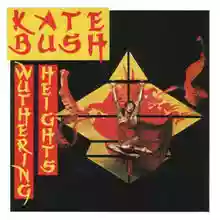
Alice looks at cats? Wrong, Alice talks to cats. It was your star number, you would put on the saddest face in your repertoire and twirl your way to the little courtyard by the fountain. The cats would then appear as if by magic. Besides moving like a dancer, you had feline eyes and a cat-like voice, a meow that floored the male gender, including us, poor losers. The cats, incomparable and feminine, though reduced to mere extras, played along. They rubbed against you, smoothed you, almost as in love as we were. And as our hearts were in our throats (and our throats were dry) we glued our eyes to your grace, you began the litany of false sadnesses, crinkling your nose if just a little tear brushed it. You were truly a seasoned actress for an audience that would soon scatter its seed in legendary masturbations. One day a little radio nearby started playing the hit of the moment, Wuthering Heights, a series of extremely high-pitched meows in a pop mystical key. Humming it in fake English, you performed the ghost dance with the cats at your feet. But it was as if you had stopped acting. Suddenly it was not about being the grand dame or the little squaw with bare feet. And the audience was no longer that important. It was at that moment that that sugary and senseless muddle sung with a glass voice seemed to me to be the most beautiful song in the world. Certainly, back then, we didn't know that to convey the madness of love, you need to touch the ridiculous and perhaps even surpass it. Yet all the uncanny in the song even today I seem to grasp thanks to that fraction of magic unintentionally captured in a summer afternoon in the public gardens. Ultimately, even Kate was only sixteen, that age when you squeeze a great novel, thanks to an almost childlike imagination, into a colorful glass ball. Even though then, children playing at being grown-ups sometimes understand more than the grown-ups. Trallallá.
Loading comments slowly
Summary by Bot
This review captures an intimate and nostalgic experience of Kate Bush’s "Wuthering Heights," highlighting its emotional depth and unique vocal qualities. The reviewer recalls how the song’s mystical, high-pitched meows and raw emotion turned it into a personal and timeless masterpiece. The review blends youthful imagination with an appreciation of the song’s uncanny and magical nature.Tracklist Lyrics
Kate Bush
Kate Bush is a British singer-songwriter and musician known for distinctive vocals, literary storytelling, and ambitious studio experimentation across art-pop.14 Reviews
