
 •
Rating:
•
Rating:
THE REVIEW
Every artist - in constant search for inspiration and the right form to express their creative flair - is potentially the most tormented human figure one can imagine. A victim of their own condition as a gifted and exceptional spokesperson, hypersensitive and often externally directed, it seems their challenging destiny is to be perpetually balanced between less glorious - if not disheartening - compromises with an audience not always receptive to their most intimate message and the often futile attempt to seal a Faustian pact of eternal quality and prolific production. Neurosis is always lurking around the corner for the composer who has gradually forgotten the humanity, fertility, and humility in simply allowing the natural flow of their inspiration. It might sound undemocratic or "politically incorrect" to claim it, but it's also true that not all artists are capable of building - to defend against these dangerous assaults on their fragile psyche - a solid defensive wall of actual expressive versatility or any distinctive talent that makes them immune - even in lean times for the aforementioned inspiration - from a complete breakdown.
It might be my imagination, but Princess Kate's vocal cords remain a formidable barrier against the pitfalls that time seemed to have reserved even for the Muse during the mediocre "The Red Shoes" (1993) - recently and finally overshadowed in memory by the delightful (albeit uneven) "Aerial" (2005). In the voice of this woman, just like in her doe-eyed gaze, one can still recognize the fairy perpetually enchanted by the world who, at sixteen, was already whispering and shouting (with four octaves of range!) gothic tales as metaphors for her own emotions and fears. And if the high whispers of that voice would have melted even the most frozen of hearts ("The Man With The Child In His Eyes"…), erotically charged even songs on social themes (the immense "Breathing"), sweetened the evident drama of certain lyrics (the splendid "Army Dreamers"), her shocking and irrational screams always characterized her not so much as a new wicked witch but as a voice, a direct and necessarily frightening contact with the most intimately tribal and primordial zone of the human soul, what Freud would call "the unconscious."
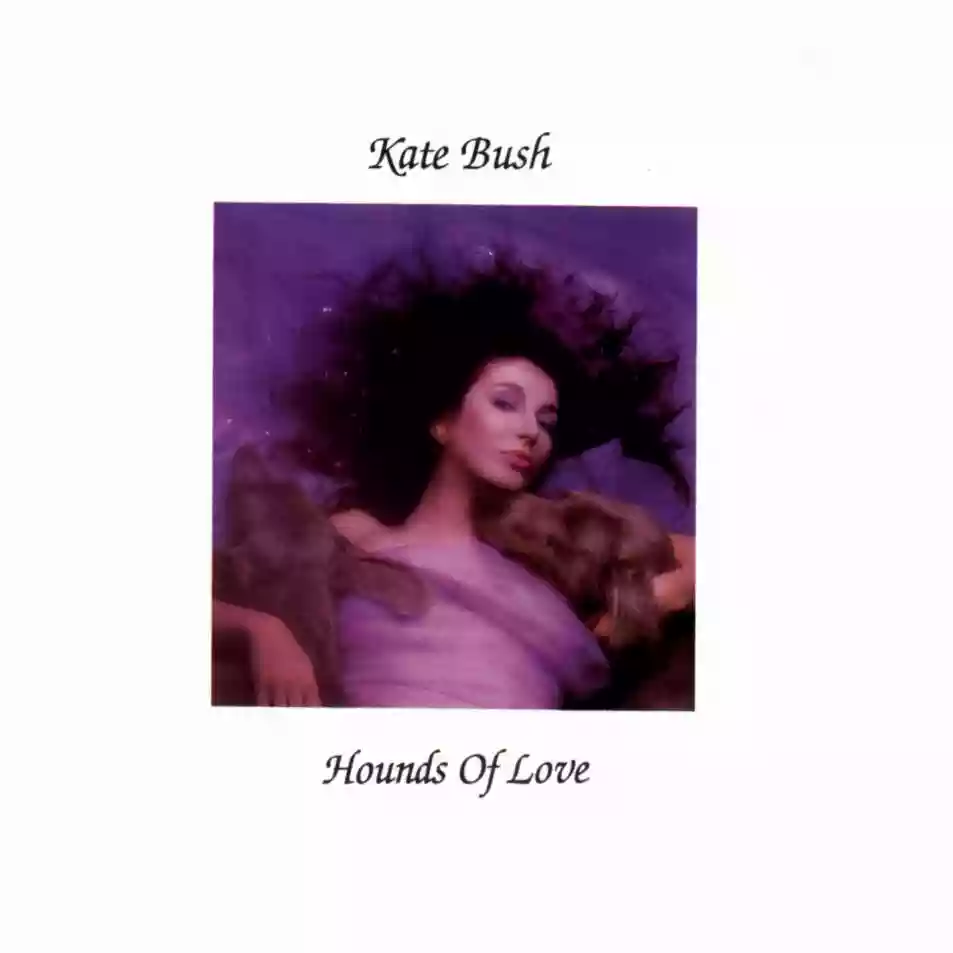
The inhuman cries of "Babooshka" (from the splendid and diverse "Never For Ever," 1980) or even more so of "Sat In Your Lap" or "Night Of The Swallow" (from the formidable and extremely challenging "The Dreaming," 1982, absolutely worth rediscovering) are a true face-to-face between Kate and her intimate weaknesses; a face-to-face that recurrently reappears - though in a more composed, studied, apparently synthetic package but capable of igniting with enduring intensity - in the fascinating perfection of "Hounds Of Love" (1985), one of the greatest masterpieces of the Eighties. The immediate proof of this is the disarming confession of powerlessness against love's onslaught in the rhythmic title track, which, through its simple metaphor, encapsulates with rare vividness the intensity and mystery of the sentiment. Even more syncopated and claustrophobic is the opening of "Running Up That Hill" (another single with an almost "dance" setting, where a double drum accompanies one of the most famous and representative melodies of her singer-songwriter work), with the significant subtitle "A Deal With God" almost suggesting that the angelic Kate made her pact in areas far from Mephistophelian. The whirlwind choral crescendo of "The Big Sky" and the dark sensuality of what intends to be a simple tribute to the maternal figure (the beautiful "Mother Stands For Comfort") pave the way for one of the greatest and most original singles of the decade, the stunning electro-Celtic dance of "Cloudbusting" (this time on the father figure, with Donald Sutherland in the famous video). The synthetic train of this great track has just finished its whistle when "The Ninth Wave" begins, the long suite that covers the entire second half of the album, which was originally supposed to be, in expanded form, its conceptual core. The red thread binding it is that of Peter Gabriel's ethno-pop experiments filtered through the spatial and hyper-produced melodies of Pink Floyd's "The Wall" era. In a crescendo of sensations marked by piano touches that burn desolate notes against the backdrop of "ambient" soundscapes on the verge of the spectral (the introductory, delicate "And Dream Of Sheep"), there is room for excerpts of ethereal and refined pop of great class ("Watching You Without Me"), choral symphonies - indeed, a Gregorian choir - of certain allure ("Hello Earth"), unforgettable declarations of love to the Celtic tradition (the enormous "Jig Of Life"), concluding lightly with the soft melodic sweetness of the brief and perfect "The Morning Fog."
What comes out is what it is.
Loading comments slowly
Summary by Bot
This review praises Kate Bush's 1985 album Hounds Of Love as one of the greatest masterpieces of the Eighties. It highlights her exceptional vocal range and emotional intensity. The reviewer explores key tracks like "Running Up That Hill" and "Cloudbusting," noting the album's blend of ethno-pop, progressive production, and thematic depth. The second half's conceptual suite, "The Ninth Wave," is also emphasized for its rich musical tapestry. Overall, the album is celebrated for its timeless artistic vision and powerful expression.Tracklist Lyrics Videos
Kate Bush
Kate Bush is a British singer-songwriter and musician known for distinctive vocals, literary storytelling, and ambitious studio experimentation across art-pop.14 Reviews
