
 •
Rating:
•
Rating:
THE REVIEW
Upside Down.
Imagine a series of houses by the river, take a quick glance as you head home in the evening. The lines you would envision as regular and straight are instead askew and oblique, altered by the river water. Your brain insists on depicting them as straight and rigorous, yet your eyes continue to perceive the alteration. It is an inner conflict that persists until you avert your gaze from the row of fragile dwellings.
Translate this sensation into music. What you imagine as rhythmic becomes atypically arrhythmic, and instead of the sound of a guitar, your eardrums perceive trumpets.
Here they call it “annet.” A sort of "delving into the ancient." The latest effort from the "orchestra" of Stavanger is a striking example. With two excellent works behind them, they have managed to pull a new little gem from their magic hat. Without renewing, because they don’t need to renew something that is in constant evolution, they have once again succeeded in attempting to aggregate the unaggregable. A bit like a mixture of oil and water. The rhythms are Gypsy, they have the Caucasian flavor of abused violins and balalaikas, and they perfectly make love with electric guitars and deliberately arrhythmic drums. All topped with singing in Norwegian that deals with fantasy political themes.
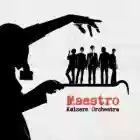
The Kaizers have created a sort of new world in words and music and enjoy playing with it, imagining song thieves and figures from Eastern European political mythology, and having their quirky (but never trivial) characters interact with their quirky (but incredibly well-arranged) music. Maestro, the title track, is a small masterpiece that ranges from moments of Balkan musical madness to electric guitar riffs in a sort of engaging and overwhelming crescendo, but it is the entire album that is a kind of micro masterpiece.
A must-listen at least once, even if the complexity of the Norwegian lyrics might be a hurdle for those who want to fully understand the whimsical world of the Kaizers Orchestra.
Loading comments slowly
Summary by Bot
Kaizers Orchestra's album 'Maestro' presents a unique fusion of Balkan rhythms, gypsy influences, and electric guitars, all wrapped in Norwegian lyrics full of fantasy and political myth. The music defies expectations with its arrhythmic beats and vibrant instrumentation. The title track stands out as a masterpiece. Despite lyrical complexity, the album offers an intriguing and rich listening experience.Tracklist Lyrics Videos
Kaizers Orchestra
Kaizers Orchestra is a Norwegian rock group formed in Stavanger in 2000 by Janove Ottesen and Geir Zahl. They are known for blending rock with folk and Balkan influences, theatrical arrangements and Norwegian lyrics.02 Reviews
