
 •
Rating:
•
Rating:
THE REVIEW
"The river flows quietly, the girl is there watching the leaves gently floating downstream, they are yellow, green, or amber. The girl is wearing a long skirt. The edges of the skirt are now dirty. A gentle breeze caresses the few old elms left. The girl cannot smile, the smile has disappeared from her face. Only the sound of a sad guitar. Only that sound is her playmate. She thinks she wants to die. She doesn’t know if this thought is true or a product of her naivety. She just thinks that what she wants is to die. Everything in her is blues. The good old blues played by those colorful ladies of two centuries ago. The blues that black nannies used to play and sing to those white children with rosy and healthy cheeks and clothes made of lace and frills. She has a photo in her hand. It's a picture of her beloved. He has gone far away, and it’s uncertain if he will return to kiss those little pink lips or look into those eyes that turn gray at sunset. The girl has headphones on. Inside the headphones is sad music. The same sound of those sad guitars. The only playmate. At the edge of the river, a catalpa."
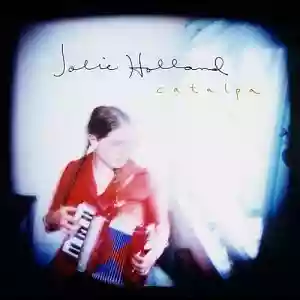
"Catalpa" is the first album by Jolie Holland, released in 2003 for Anti Records. First of all, it must be noted that the catalpa is a flowering plant belonging to the bignoniaceae family and is mostly found in sub-tropical areas, though sometimes it can be found in temperate zones. From this first album, Jolie Holland demonstrates a particular interest in American popular music, indeed featuring various country, folk, jazz, and blues elements skillfully woven with lyrics of modern and at times nihilistic flavor, yet never losing gentleness and femininity. Just think of pieces like "I Wanna Die" and "The Littlest Birds," where a certain lightness takes us to territories where, hidden beneath gentle flowers, the ground can collapse under our feet at any moment. Or to moments like "Wandering Angus" or "Catalpa Waltz," where it seems like playing chase among the hanging clothes and skinning your knees when falling. Small and simple emotions.
This album caught the attention of Tom Waits and was nominated for the prestigious Short List Music Prize. An album essentially produced in an accredited musician's living room and initially distributed in few copies among friends but then passed from hand to hand, it eventually gained some prestige in the underground scene in Houston, Texas, where Jolie was born in 1976. Besides a writing style that is somewhat classical yet still lucid and introspective, Jolie Holland's exceptional voice stands out, which closely resembles the best blues or country voices of the early last century. Certainly, if it cannot be classified as a masterpiece, this album can comfortably be placed among the best debut albums of the current decade. And Holland's subsequent albums, "Escondida" in 2004, "Springtime can Kill You" in 2006, and "The Living and the Dead" in 2008, demonstrate an intimate and crystalline talent.
"The river flows quietly. A stranger appears from the other side of the river. The girl waves. The stranger returns the greeting. Years may have passed. Seasons may have gone by. But now she smiles. Yes, now the girl smiles."
- Alley Flowers
- All the Morning Birds
- Roll my Blues
- Black Hand Blues
- December, 1999
- I Wanna Die
- Demon Lover Improv
- Catalpa Waltz
- The Littlest Birds
- Wandering Angus
- Periphery Waltz
- Ghost Waltz
Loading comments slowly
Summary by Bot
Catalpa is the debut album by Jolie Holland, showcasing her skillful blend of folk, blues, jazz, and country influences. The album features melancholic yet gentle lyrics exploring themes of sadness, naivety, and emotional depth. Holland's distinctive voice evokes early 20th-century blues and country traditions. Praised for its intimate production and songwriting, Catalpa gained underground acclaim and caught the attention of Tom Waits. It is considered among the best debuts of the 2000s.Tracklist Lyrics Videos
Jolie Holland
American singer-songwriter from Houston, Texas, blending folk, blues, and jazz with a distinctive, intimate voice. A founding member of The Be Good Tanyas, she later released solo albums including Catalpa (2003), Escondida (2004), and Springtime Can Kill You (2006).03 Reviews
