
 •
Rating:
•
Rating:
THE REVIEW
In 1969, the blues world was shaken by the arrival of Johnny Winter. His first self-titled album caused quite a stir and potentially marked the birth of a star.
“Johnny Winter” was a nice blues revival album, but nothing extraordinary for the genre. What stood out, however, besides the persona, was the exceptional guitar technique and especially his splendid, soulful, and unmistakable voice.
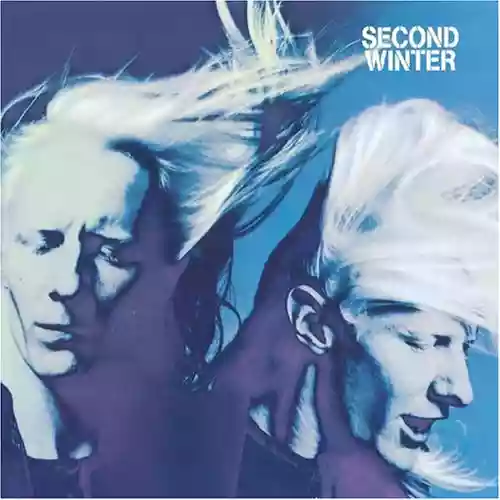
A good but not exceptional debut, I said, but the following year saw a leap in quality: “Second Winter”. This time, an extraordinary album, at times exhilarating, that definitively projected the albino bluesman into the Olympus of the greats of rock blues, a persona and a musician who would influence entire generations.
I confess that during my first listen, I had a strong feeling that it was one of the best blues albums I had heard until then, a feeling slightly tempered later, but it remains a great record nonetheless. The album (which marks the entry of his brother Edgar on sax and keyboards) kicks off strongly with “Memory Pain”, rock blues with a riff reminiscent of Hendrix. But, piece by piece, what astonishes is the variety of the entire product: immediately following are magnificent pieces like “I'm Not Sure”, a blues heavily influenced by keyboards, “The Good Love”, pure guitar rock that showcases all the Texan's talent; and again, the fun piano rock 'n' roll of “Slippin' And Slidin’” and “Miss Ann”, where even soul influences emerge.
With the cover of “Johnny B. Goode”, the virtual first part of the record closes, 6 amazing tracks to listen to all at once. There is only original material in the second track, truth be told, but the rest, all covers, are masterfully interpreted and rearranged.
The first 6 tracks are all beautiful, as I said, but it's not that inferior tracks follow, starting with another famous cover, “Highway 61 Revisited”. The following “I Love Everybody” (sung by Edgar) and “Hustled In Texas” are lesser tracks, but only because they return to a classic rock blues style (in fact, both are credited to Winter). With “I Hate Everybody”, where keyboards and sax return to the forefront, and especially “Fast Life Rider”, the work closes, returning once again to very high levels, with 2 more original tracks. The latter, in particular, deserves two words: it is the most interesting and exciting track on the entire record, a psychedelic jam over 7 minutes long dominated by guitar and a powerful drum beat.
The work would be complete, but the 2 bonus tracks, “Early In The Morning” (once again classic rock blues) and “Tell The Truth” (instrumental) are truly delightful. And if that weren't enough, in the album's legacy edition, there's even a second disc: “Live At Royal Albert Hall '70”... but that would indeed require a dedicated review.
“Second Winter”, the double LP also remembered for the peculiarity of having only 3 sides, is one of the peaks of the Texan bluesman, because it captures all the musician's sound at his best moment, after the blues revival of the debut and before the subsequent hard rock. It’s only a pity for the absence of acoustic moments which were the best in the previous one. Even a transition moment, indeed after this album Johnny would also change the lineup by parting ways with his great companions in travel up to that point (especially Tommy Shannon) to pursue a more hard rock style, as mentioned, with 2 guitars. Besides, there was time for some trips with Muddy Waters, after officially joining his band.
It might not be one of the greatest rock blues albums of all time, or perhaps it is. It's up to you, for me, it's gorgeous and gets a solid 5!
Unmissable.
Loading comments slowly
Summary by Bot
Johnny Winter's Second Winter album marks a significant leap in his career, blending blues rock and soulful vocals with masterful guitar work. The album features a compelling mix of originals and covers, highlighted by contributions from his brother Edgar Winter. Despite some less impactful tracks, the overall quality shines through, cementing Winter as a blues-rock legend. This double LP with its unusual three-sided format captures the artist at his peak before he transitioned toward harder rock styles.Tracklist Lyrics Videos
Johnny Winter
American blues guitarist and singer from Beaumont, Texas (born 1944; died 2014 in Switzerland). A slide-guitar powerhouse who broke through in the late 1960s, played Woodstock, led the band Johnny Winter And, and reignited Muddy Waters’ career as producer and collaborator. Active on stage and record until his passing.09 Reviews
