
 •
Rating:
•
Rating:
THE REVIEW
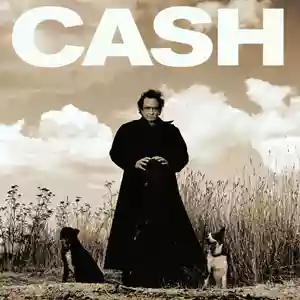
The debut of Johnny Cash for Rick Rubin's American, this album represents the first of the six chapters belonging to the successful series that marked his artistic rebirth but at the same time his legacy (the last three works were released posthumously).
In the early nineties, he seemed to be considered prehistoric, and he apparently wasn't on good terms with Mercury.
In 1993, Rubin, in search of new recording challenges, contacted Cash and gave him carte blanche: the artist, armed with only his guitar, recorded a remarkable number of songs in just a few months: mostly interpreting old songs by other artists, he also revisited his own songs but ultimately recorded many unreleased tracks as well.
The album in question is intimate, collected, steeped in melancholy and pessimism, the theme of death ("Delia's Gone") and resurrection ("Redemption") hovers in the grooves in a hardly concealed manner.
Surprising on Leonard Cohen's early work ("Bird on the Wire"), rising to the gifts offered by Tom Waits and Glenn Danzig, who each gave him a piece but then took them back ("Down There by the Train," "13"), heartrending in "The Beast in Me" by Nick Low, reassuring in "Why Me Lord" by Kris Kristofferson.
The voice is still the same, perhaps a little aged but still intact. It is a Cash who has finally found his dimension, and you can feel it. Unsurprisingly, the reception from both the public and critics is triumphant, even among new generations.
Captured live in "Tennesse Stud" but above all in the (perhaps) most important page of this chapter: the fall, the resistance, the cry, the rebirth. Rebirth.
“Well, he went up to heaven, located his dog,
Not only that, but he rejoined his arm
Down below, all the critics, they loot it all back,
Cancer robbed the whore of her charm”
The Man Who Couldn't Cry.
Loading comments slowly
Summary by Bot
Johnny Cash's debut album under Rick Rubin's American Recordings series marked a pivotal artistic rebirth in the early 1990s. With just his guitar, Cash delivers a raw, intimate, and melancholic collection exploring death, resurrection, and legacy. The album features reinterpretations of others' songs, unreleased tracks, and revisited originals, earning widespread acclaim and renewed public interest. The voice of Cash remains powerful and authentic, cementing this work as a timeless chapter in his career.Tracklist Lyrics Videos
Johnny Cash
Johnny Cash (1932–2003) was an American singer-songwriter known as the “Man in Black,” celebrated for a deep baritone voice, stark storytelling, and songs about prisoners, outsiders, faith, and redemption. His late-career American Recordings with producer Rick Rubin sparked a major resurgence and introduced him to new audiences through sparse arrangements and transformative covers.20 Reviews
