
 •
Rating:
•
Rating:
THE REVIEW
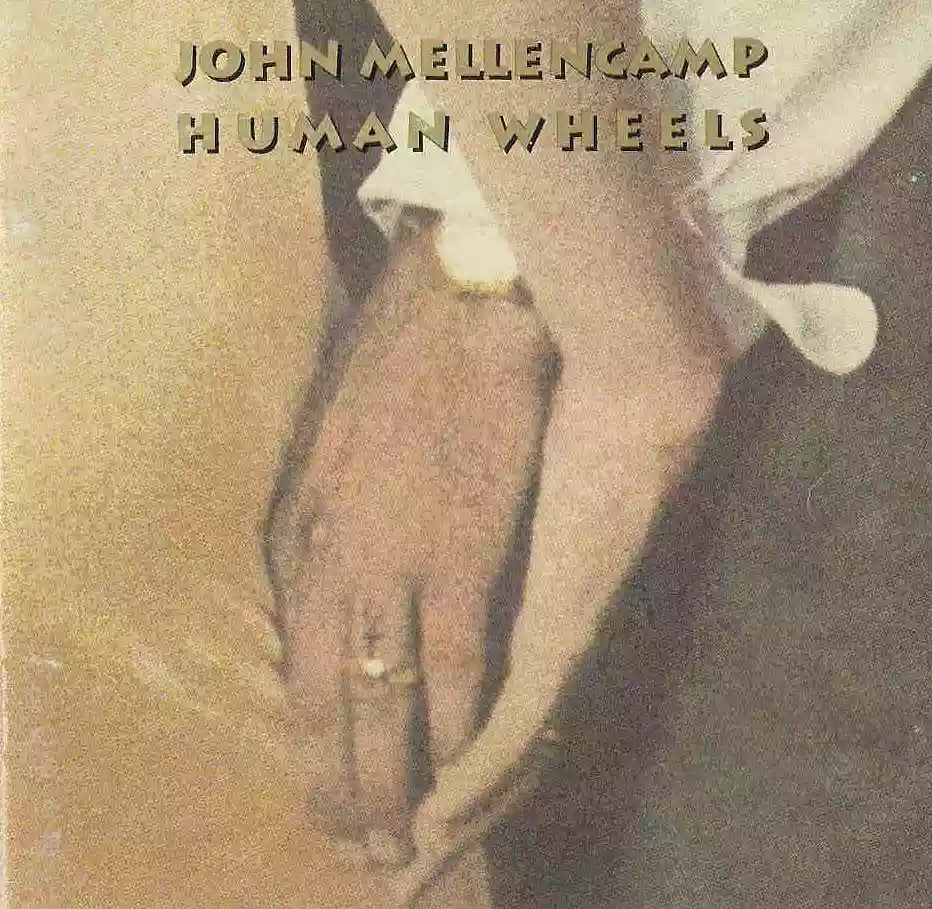
Published in 1993, "Human Wheels" represents a real turning point in the life and career of John Mellencamp. An artistic and human achievement for an honest, integral musician who throughout his career never had to compromise to achieve success. Indeed, true success, not just chart success dominated by silly pop songs, John Mellencamp achieved by giving his audience albums destined to last over time because they are rich with ideas, feature great songs, and are played as God intended. Even his darker and more contentious works, like the understated "Big Daddy," met with good receptions despite directly spitting venom at the music industry. Just think of a track like "Pop Singer", included in "Big Daddy," a minor work well worth rediscovering.
"Human Wheels," unfortunately, was not born under the best auspices. During the initial sessions for the new work, Mellencamp's band temporarily lost bassist Toby Myers due to an injury, and permanently lost keyboardist and multi-instrumentalist John Cascella due to a sudden illness. Additionally, John began to manifest the first symptoms of heart problems, partly due to the large number of cigarettes the former Cougar smoked daily. Perhaps it is just a coincidence, but probably these negative factors also contribute to making "Human Wheels" an album with wonderfully dark tones.
A meticulously crafted album, rich in content, social criticism, and great tracks played with absolute mastery by a top-tier band. Each musician indeed plays to the best of their ability, enriching the album with sophisticated nuances that distinguish Mellencamp's musical offering from the past. Kenny Aronoff's drumming is more restrained and less devastating than usual. The guitars, especially David Grissom’s, work intricately, and notable is the contribution of the talented Lisa Germano, skillfully handling various instruments and providing her vocals in the choruses of various tracks on the album. John Mellencamp, for his part, completes it all with a controlled, assured vocal performance through which he delivers the hard and realistic lyrics of the pieces that make up this work of great quality and relevance.
All the tracks deserve mention, starting with the opening "When Jesus Left Birmingham", a gospel-rock greatly influenced by Sly & The Family Stone, with a torrid text dealing with prostitution. With the following "Junior", Mellencamp begins the parade of losers in American society. He does so with a dry ballad, with a melodic refrain over an acoustic backdrop. The track that lends the album its title is a masterpiece. "Human Wheels" is a ballad with a rich arrangement and a remarkable bridge that places it among the absolute peaks of his production. Then it's up to the simple roots-rock of "Beige To Beige" to lower the emotional tension of the work, which immediately explodes again with the ruthless family chronicle of the harsh "Case 795 (The Family)".
"Suzanne And The Jewels" and the bitter "Sweet Evening Breeze" represent the ideal bridge with past albums. They are two successful ballads. The first is more lively, spirited, and full of breakups, and the other is more meditative. Black music then returns to the forefront with the sensual "French Shoes", an ideal bridge between The Rolling Stones and Sly Stone. Mellencamp’s more rock side emerges in the tense and decisive "What If I Came Knocking", a gem enhanced by the guitars of David Grissom and loyal Mike Wanchic, also operational in the production phase. Finally, it's up to the elegiac and hopeful "To The River" to offer, to a work at times dark, a glimmer of light and redemption.
This is how "Human Wheels" concludes, a work that, at the time of its release, would receive general critical acclaim. Many trade magazines would name it album of the year, but the public's response would not be very warm due to the poor promotion done by the record label, which, according to the artist, was guilty of having boycotted and pushed the album poorly in international markets. Years later, "Human Wheels" remains, nevertheless, one of the most successful works in Little Bastard’s discography. An album that is still very relevant for the themes addressed, rich and dictated by a moment of strong artistic inspiration. That artistic inspiration that John Mellencamp has never lacked and thanks to which he is still able to deliver great music.
Loading comments slowly
Summary by Bot
Human Wheels marks a significant turning point in John Mellencamp's career, reflecting dark themes and social commentary. Despite personal and band challenges during recording, the album features sophisticated musicianship and memorable tracks. Praised critically but underpromoted commercially, it remains a timeless and relevant work rich in artistic inspiration and emotional depth.Tracklist Lyrics Videos
John Mellencamp
John Mellencamp is an American singer-songwriter known for heartland and roots rock, with songs often focused on small-town life and social themes. He rose to mainstream success in the early 1980s (notably with American Fool) and later released acclaimed albums including Scarecrow and roots-oriented projects such as Trouble No More.17 Reviews
