
 •
Rating:
•
Rating:
THE REVIEW
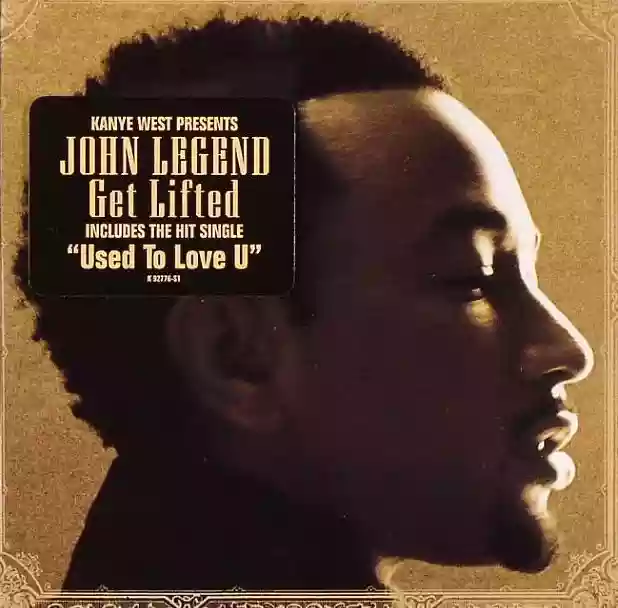
It's a real shame that an album like John Legend's "Get Lifted" went relatively unnoticed in our parts, despite a powerful single like "Ordinary People" (though the piano and voice version is much better than the remix); a further sign of how, in the pop realm, the worst has decidedly taken over.
John, a good pianist with classical training, might be remembered by some in Lauryn Hill's "Everything Is Everything," and he's also composed for big names like Alicia Keys and his mentor Kenye West. For me, he's one of the most concrete hopes for a "rebirth" of Soul, far from improbable and anachronistic restorations but also able to find clear reference points and respect the "roots." While not disdaining catchy and appealing melodies, driving rhythm tracks similar to rap, it would be wrong to confuse him with most of the new R&B proposals, which are so similar they almost seem indistinguishable. John, despite his young age, shows he knows how to handle himself wonderfully among the "sacred monsters" of Black music, particularly looking to Marvin Gaye and Stevie Wonder as role models.
The opening track "Let's Get Litfed" immediately lays the cards on the table: basses that "pump" discretely on a classic and well-crafted soul-song, including old Motown-style choruses, a successful blend of tradition and modernity. All the tracks on the album aim in this direction, almost always succeeding in the operation, indicating to the "brothers" what he sees as the right path: yes to rap, but in small doses, incorporating it into the golden soul-gospel-R&B tradition. When you have such high goals, in addition to an art name that sounds quite demanding, the means cannot, should not, be lacking; and John doesn't lack the skills of a composer and instrumentalist, as well as an arranger and brilliant performer, with a vocal timbre that "nails" you. In "Used To Love," "Alright," and "I Can Change," a duet with Snoop Dogg, there may be a bit too much concession to the market, to current trends, but never falling into the trivial. But with "She Don't Have To Know," we're already close to the excellence of the genre. "Number One," "Stay With You," "I Don’t Have The Change," in which he is accompanied by his entire family, demonstrate that along with listening to classic, old and new, the prodigy child must have spent not a little of his time accompanying the gospel choirs in the Baptist church of his native Springfield.
A healthy religiosity, a certain mystical breath, circulates throughout the work and proves to be not just style, but sincere and heartfelt. "Refuge," a Lauryn Hill-style piece, the first to believe in him, and "So High," a superior class ballad, are further arguments in favor of our artist.
The implicit message of John Stephens, known as Legend, is clear and we're happy to accept it: to drive the "merchants" of Black out of the "temple." It takes more than Tyson-style abs, with a side of generous shaking buttocks, to be an artist.
Loading comments slowly
Summary by Bot
John Legend's album Get Lifted blends soulful tradition with modern rhythms, standing out from typical R&B releases. Showcasing his classical piano skills and strong vocals, the album draws from gospel and iconic influences to offer a fresh but respectful take on soul music. Despite some market concessions, tracks like 'She Don’t Have To Know' and 'So High' highlight his artistic depth. The album signals hope for a genuine rebirth of the genre.Tracklist Lyrics Videos
02 Let's Get Lifted (03:37)
04 Alright (03:20)
06 Number One (feat. Kanye West) (03:18)
07 I Can Change (feat. Snoop Dogg) (05:01)
10 Let's Get Lifted Again (02:18)
12 Refuge (When It's Cold Outside) (04:13)
13 It Don't Have to Change (feat. The Stephens Family) (03:23)
14 Live It Up (feat. Miri Ben-Ari) (04:35)
John Legend
John Legend (born John Roger Stephens) is an American singer, songwriter, pianist, and producer from Springfield, Ohio. Rising from session work (notably on Lauryn Hill’s “Everything Is Everything”), he broke through with Get Lifted and became known for soulful piano ballads and refined R&B. He is an EGOT recipient, winning the Oscar for “Glory” (with Common) in 2015.03 Reviews
