
 •
Rating:
•
Rating:
THE REVIEW
One of the greatest bluesmen of all time, a pioneer of the post-war "Detroit style" and simultaneously an enigmatic and original composer and performer, John Lee Hooker crossed the Mississippi and the entire history of the blues, from the "rural model" to the electric boogie of the '50s, continuing later as a virtuoso with small American bands of the '60s and ending with the revival influenced by the "psychedelia" of Canned Heat and in various duets with contemporary artists.
His discography is vast, but I have always preferred the handful of records recorded and released by Chess Records. Perhaps because these fully showcase his solo style: melancholic, strong, even fierce in some passages with that fiery voice and obsessive guitar. Perhaps because I am attached to the discography of the "small" label of the Chess brothers (for those who don't know, I recommend watching the movie "Cadillac Records," a fictional but still worth rediscovering story).
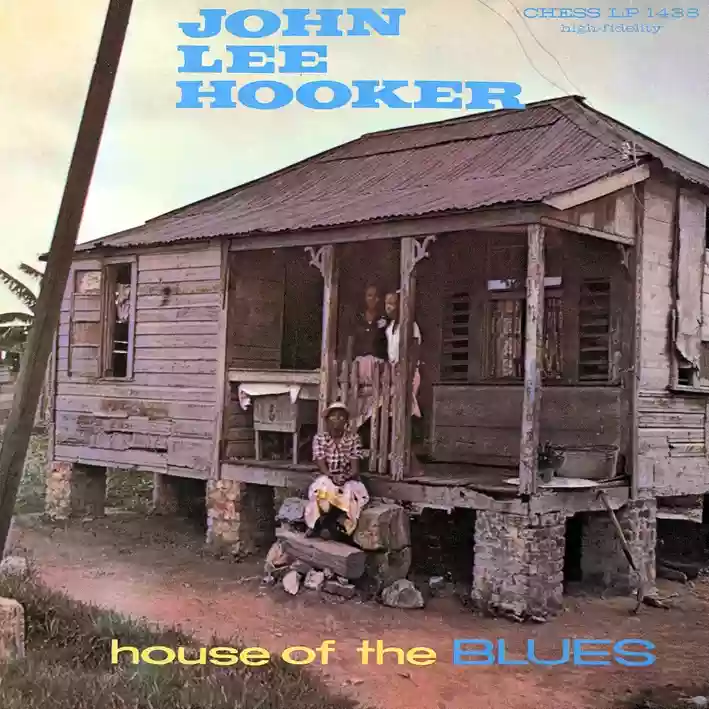
House of the Blues (1960) was released two years after the biting LP debut (at least the official one since he often recorded under various pseudonyms to evade contracts) and remains one of his essentially most brilliant records. Hooker plays in the studio live with only the aid of guitar and voice, thanks to the dramatically narrative approach that distinguishes him, a series of tracks that had long been part of his very original repertoire. The rhythm is aided, already abundantly present in his intense electric playing style, by marking the time with his feet, measured and constant. The songs "Women & Money" and "It's My Own Faul" come from a recording session the previous year with Vernon Harrison on piano and Eddie Kirkland on guitar, less brilliant pieces in the vocal parts. The atmosphere is hypnotic mainly due to the mechanical reverb and the right doses of delay; the sound expresses, with an alternating mix of harshness and reflectiveness, the raw and painful life in the black ghetto as opposed to the cover image that seems to take the matter back to the rural origins in Clarksdale and hence to primitive sounds. In reality, the record transmits through the figurative contradiction both the charge of repressed violence in Hooker and his compassionate nostalgia.
Loading comments slowly
Summary by Bot
This review celebrates John Lee Hooker's 1960 album House of the Blues as a brilliant example of his solo style, combining melancholic and fierce emotions. It highlights Hooker's role as a blues pioneer advancing from rural roots to electric boogie. The album’s hypnotic rhythm and raw expression convey both repressed violence and compassion, solidifying its status as a timeless blues classic.Tracklist Lyrics Videos
John Lee Hooker
John Lee Hooker (1917–2001) was an American blues singer-guitarist, a pillar of post-war Detroit blues and electric boogie. Known for hypnotic one-chord vamps, a talking-blues delivery, and signature songs like Boogie Chillen’ and Boom Boom, he influenced generations from Chicago clubs to British rock.09 Reviews
