
 •
Rating:
•
Rating:
THE REVIEW
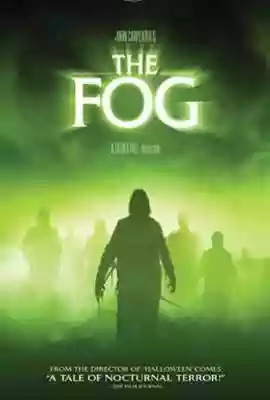
It is on a warm summer night that I set out to review one of the most underrated films by the master of political horror, John Carpenter. This "Fog" from 1980 has all the elements to become a horror classic but is considered (rightly so) as a lesser work compared to the previous "Halloween - The Night of the Witches", with which it shares many elements: from the haunting and dark atmospheres to the music and the presence of the young Jamie Lee Curtis, here in the role of a strange hitchhiker. Made, like Carpenter's previous films, on a low budget and in a short time frame, it features the same cutting-edge special effects and a simple plot, but the film's strong point is its fascinating and macabre atmospheres supported by a pounding soundtrack composed as usual by our beloved.
"11:55... soon it will be midnight... there's still time for another story..." This is how this sinister journey begins in a seaside town called Antonio Bay, about to celebrate its centennial founding. The inhabitants prepare for the classic celebration, and amidst gas pumps that activate on their own, car alarms that go off for no reason, and an unlikely discovery of a diary belonging to the grandfather of the current drunken reverend, a thick and unsettling fog that hides mysterious secrets within materializes.
Antonio Bay represents the metaphor of a town born from genocide, but a hundred years after its founding, the ghosts of the past return for their blood tribute, bringing hidden truths to the surface. The film takes its time, the tension increases slowly but inexorably, like the fog in the movie, until it reaches the typical Carpenter's electrifying ending: justice has been served. The theme of fear of the unknown is the most classic for a horror film, but the idea of this fog, with a phosphorescent color that advances unhurriedly (even against the wind) with nothing visible inside, is a brilliant concept. All this is complemented by good performances from the actors, among whom one can recognize Carpenter's usual followers, like Adrienne Barbeau (John's wife) as a brave mother working at a radio station inside the lighthouse, or the beloved Jamie Lee Curtis in the role of a mysterious hitchhiker with the same name as the ship "wrecked" 100 years earlier. There's also Jamie's mother (Janet Leigh), and at the start of the film, Carpenter himself (uncredited) appears playing a young sacristan.
The general impression is that of having witnessed a simple but classy film, shot with firmness and clarity. Compared to modern horrors, it appears almost hypnotic, as if it were the result of a hallucination, a film that knows how to expand time and space, wrapping and capturing you, like a fog bank. For connoisseurs and nostalgics, this is a timeless film, whose creepy and sinister settings won't be easily forgotten, a classic story told in a brilliant way.
And as a ritual, after watching the film, I look out the window... but everything is clear.
Loading comments slowly
Summary by Bot
John Carpenter's 1980 film The Fog is a horror classic praised for its creepy atmosphere, suspenseful pacing, and memorable soundtrack. Though considered a lesser work compared to Halloween, it remains a timeless piece featuring solid performances and a captivating supernatural story. The film's eerie fog metaphor and political undertones add depth to its simple plot. Overall, it delivers a hypnotic and chilling experience for horror enthusiasts.Tracklist Videos
John Carpenter
John Carpenter is an American filmmaker known for directing influential horror and science-fiction films and for composing (often synth-based) music for many of his movies. He is widely associated with low-budget, high-impact genre filmmaking and later received substantial critical reappraisal for several works initially met with mixed reception.16 Reviews
