
 •
Rating:
•
Rating:
THE REVIEW
When we talk about Velvet Underground, our minds instinctively take us to remember that "slap face" (with all due respect) of Lou Reed. We certainly owe him a lot for his contribution to the historic New York band (see "All Tomorrow's Parties" or "Femme Fatale"), but Lou Reed was not the only genius among Andy Warhol's four favorites.
John Cale was the other face of Velvet Underground. He hailed from Wales, and moved to the USA at the age of thirteen, already able to play piano and viola. His contribution to the band was very important, at least until the second album "White Light/ White Heat," which marks the musician's departure from the band and, not coincidentally, the end of the most creative period of the Velvet. But now let's stop repeating the news that music critics constantly bring up! Let's focus only on the introverted and brilliant figure of this historic character.
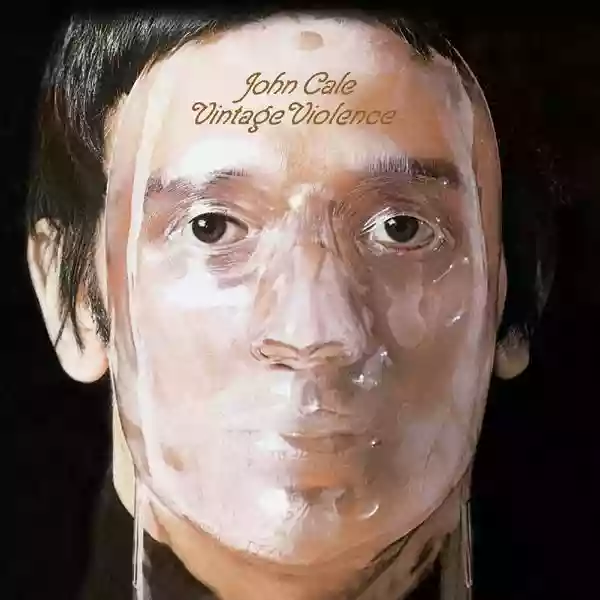
"Vintage Violence" was recorded together with Garland Jeffreys' Grinder's Switch, before the group members embarked on separate careers, and was released in 1970 by Columbia. For a long time it was considered by critics as an unimportant debut album, a compilation of insipid tracks with banal and predictable melodies. It took more than thirty years to understand that "Vintage Violence" was not what critics had always considered, but it was more than a collection of songs, it was a true album, an album that, despite its simplicity, contained gems of great depth and artistic depth.
The first track is "Hello There", a rather catchy track (not just a simple ditty) that vaguely reminds us of the old Velvet. The same goes for "Bring It On Up" and "Charlemagne". "Cleo", "Please" and "Adelaide" are simple melodies that the author uses as a backdrop to the standout pieces. The viola plays a prominent role: "Gideon's Bible" and the orchestral "Big White Cloud" are some of the masterpieces not only of "Vintage Violence" but of Cale's entire solo production. But the best (?) track of the album is "Amsterdam", where the musical commentary is entirely entrusted to Cale's guitar and voice, which vaguely recalls Leonard Cohen. Throughout the album, but especially in the last three compositions mentioned, the musician's melodic vein unleashes his creativity, giving birth to unique jewels in their genre.
This is why I invite every music enthusiast to listen to this album, hoping that you can share with me the emotions that Cale's music is capable of transmitting.
Loading comments slowly
Summary by Bot
John Cale's debut album Vintage Violence was long underrated by critics but proves to be a collection of deep and artistically rich songs. Featuring melodic creativity and instrumental highlights like the viola, the album bridges Cale's Velvet Underground roots with his unique solo voice. Tracks like 'Amsterdam' and 'Big White Cloud' stand out as exceptional pieces. This review invites music lovers to rediscover and appreciate this hidden gem.Tracklist Lyrics Videos
John Cale
John Cale is a Welsh musician, composer and producer, and a founding member of the Velvet Underground. His solo work spans orchestral songcraft, raw balladry, rock experimentation, and later electronic-driven albums.17 Reviews
