
 •
Rating:
•
Rating:
THE REVIEW
The figure of the minstrel has, since ancient times, been imbued with a unique charm and character. After the birth of this "profession" in the courts of feudal Central Europe, it was propelled by a second wave to the shores of early 1900s America. In this new world, the minstrel assumes the new name of "Hobo", and is embodied by some of the most important musicians of all time, whom many others (see Bob Dylan) would deeply follow throughout their musical careers.
These "vagabond" players are figures like Woody Guthrie: people who do not have a fixed home, moving in dreamlike and clandestine journeys, on the back of a train carriage, across the USA. It is not hard to imagine how this wandering has been mythologized, and the hobo movement was instead the symptom of a great depression and poverty that afflicted the territory at the time.
Alongside famous musicians like Guthrie (true American heroes), a bit on the sidelines, sits Jim Croce. Croce is not the usual "hobo" (or at least not entirely); indeed, he attends university in Philadelphia (P.A), and then dedicates himself to folk guitar at the age of 18.
Jim is talented, and, between one live performance and another, also records an album with his wife Ingrid, which, however, goes completely unnoticed by critics. Only in the '70s does he come to prominence, with some wonderful hits, which give great prestige to his name throughout America (even today, there is the "Jim Croce cult" in the United States).
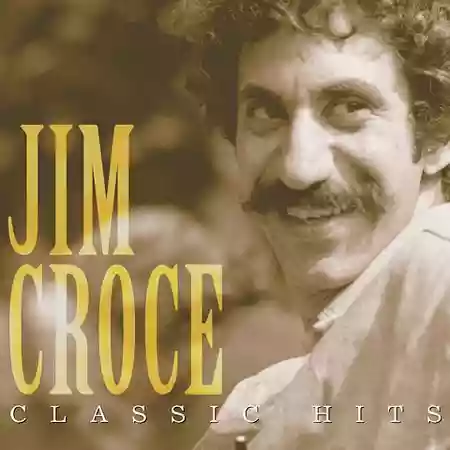
To begin to know this artist, in his charming "easy listening" ballads (always filled with well-crafted lyrics and very pleasant instrumental parts), my personal advice is to start with a collection, and particularly with "Classic Hits of Jim Croce".
Croce's career lasted very little, as he died at just thirty years old in a plane crash along with his "colleague" Maury Muehleisen (and this brings to mind Buddy Holly and Otis Redding), but in this short time, he managed to produce many ballads that have an extraordinary component of modernity and charm.
The musical analogies I feel like proposing are with Cat Stevens and James Taylor, as well as obviously with the old "Hobo" masters. In Jim Croce's sound, there are Blues, Folk, Country elements, and in some rare pieces, even shy jazz hints ("I'll have to say I love you in a song").
The only recommendation I feel like giving is to not expect particular musical refinements and virtuosity. Jim Croce's music is simple (at most there are interventions of violins and/or jazz guitars), but for those like me, who from time to time, need to take a break from the brutal world of Rock, there's nothing better than diving into the soothing listening of this singer's sumptuous and baritone voice, always accompanied by incisive and context-appropriate musical backing.
Next to it, I'll put the link to a very beautiful song by Jim Croce: "Alabama Rain".
Thank you
________________
Francesco
Loading comments slowly
Summary by Bot
This review explores Jim Croce's renowned album Classic Hits, highlighting his role as a folk-influenced singer-songwriter. It emphasizes his unique blend of blues, folk, and country elements within simple yet memorable ballads. Despite a short career cut tragically short by a plane crash, Croce's music remains soothing and timeless. The reviewer recommends starting with this collection to appreciate his distinctive voice and heartfelt lyrics.Tracklist Lyrics Videos
Jim Croce
Jim Croce (1943–1973) was an American singer-songwriter known for intimate ballads and vivid story-songs. He released three studio albums—You Don’t Mess Around with Jim (1972), Life and Times (1973), and I Got a Name (1973, posthumous)—before dying in a plane crash at age 30. His hits include Bad, Bad Leroy Brown and Time in a Bottle.02 Reviews
