
 •
Rating:
•
Rating: THE REVIEW
In the mid-trashy (though less than now) 90s, a blond nymphet emerged in the American music scene directly from the freezing Alaska. A simple yet sensual woman who, with her first album "Pieces Of You," received accolades from specialized critics and achieved extraordinary public success. The album, in fact, garnered several Grammy Award nominations and no less than 12 platinum records for the aforementioned LP, an acoustic and singer-songwriter album that skillfully blended pop mixes with equal parts country/rock.
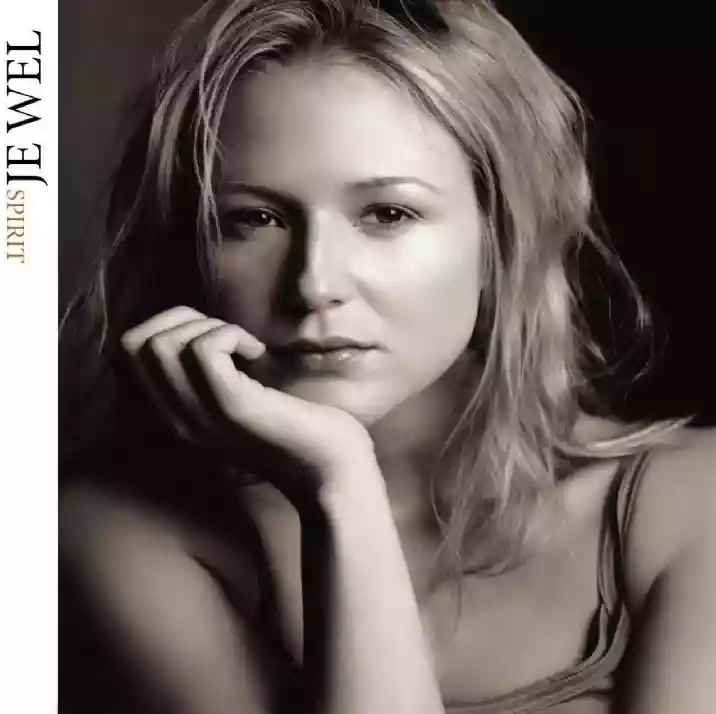
Three years later, the successful follow-up, "Spirit," was released, a controversial album described by the same pianist/singer-songwriter as very autobiographical. In the album, we find the usual recipe of piano/voice/acoustic guitar, but this time spiced with decidedly strong and inspired lyrics. The comparison, later strongly denied, with Tori Amos is crucial: in this work, we find a mature, sensual but angry girl, vibrant in her lyrics. Definitely worth noting are typically pop/rock crafted songs like "Hands," although the "strongest" track and perhaps the most representative of the entire recording project as well as the singer herself remains "Fat Boy/Fragile Flames," in which she describes the internal and emotional dynamics of an outcast, depicted through the (possibly rhetorical?) figure of a fat boy probably dealing with his loss of trust in the world and with more or less veiled suicidal tendencies. An LP that thus appears homogeneous, well-played and especially well-sung (Jewel possesses a decent timbral range and excellent vocal extension), catchy and emotionally engaging melodies but above all original and very heartfelt lyrics. Certainly a small, great gem in the personal collection of those who, like me, greatly appreciate female voices and committed singer-songwriters like early Fiona Apple.
A few words about the artist: Jewel sold 16 million copies in the States with her first two albums, and despite the strong commercial impact, with a good dose of talent and a discreet yet at times troubled image, she seemed to have found the right and original formula to build a much more than respectable but above all credible career. In 2003, "0304" was released, a pop album (in Lady GaGa style ed.) with a message attached by the interpreter herself: " It's a fun album and I'm in the mood for fun right now without too much hassle". From then on, critics turned their backs on her, and paradoxically the same happened with her audience, who relegated her over the years to niche country albums and unfortunately even unlistenable ones. A bold decision-making heroine and almost paradoxically nonconformist, or merely a woman prematurely incapable of having interesting things left to say? A courageous "must-fuck" turn or an attempt at a sneaky maneuver? I am sure the world will be able to sleep peacefully even without a definite answer to such a question.
Loading comments slowly
Summary by Bot
Jewel's 1998 album 'Spirit' offers a mature and emotionally rich extension of her acoustic singer-songwriter style. Featuring strong, inspired lyrics and notable tracks like "Hands" and "Fat Boy/Fragile Flames," the album reveals a sensual but angry artist exploring deep emotional themes. While it followed a massively successful debut, this record solidified Jewel's credibility despite mixed commercial fates in later years. A standout for fans of heartfelt female vocals and introspective songwriting.Tracklist Lyrics Videos
Jewel
American singer-songwriter and author who rose to fame in the mid-1990s with the multi-platinum debut Pieces of You. Known for hits like Who Will Save Your Soul, You Were Meant for Me, and Foolish Games; later explored pop and country with albums such as 0304 and Perfectly Clear.05 Reviews
