
 •
Rating:
•
Rating:
THE REVIEW
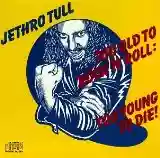
Yes...this is a controversial album, the true transitional album of the band, from here on the band will give up something.
Jeff Hammond, co-responsible for the irreverent streak and the various jokey antics with which he, together with Anderson, kept the audience smiling,
amicably leaves to freely pursue his first love, painting.
The 24-year-old John Glascock arrives from Carmen, who needs time to learn the pieces, time that Anderson uses to create a theatrical work...
New songs, therefore, with an orchestral flavor, for this he relies on David Palmer...today Mrs. Desy and Jethro Tull incognito from the first album.
It's pointless to beat around the bush, but this album lacks the rock soul of the rest of the group...just like with WAR CHILD, even this time the funds run out, and the songs are inserted into the new album of the band...
Beware, I believe that part of this album is responsible for Anderson's vocal decline, divided into two parts, presenting rhythm'n' blues songs along with others with a new Glam, Glitter flavor.
From a Dead Beat to an Old Greaser, the title track, but also The Chequered Flag (this one, yes, a good song), present very low parts combined with a new singing style for Anderson... It's a painfully pop record, by the time the rest of the band could have had a hand in it, it was already too late, however, it's worth a listen.
The progressive becomes increasingly lukewarm, but Anderson himself insists on considering the album as a record and not a biography, since by then the proggers were considered cumbersome and punk was about to emerge...
What to say... Jethro Tull here glosses the sound... Martin Barre, delightful guitarist, has not a single riff here, John Evan blissfully on vacation approaches the acoustic piano, both will build their sound with flanger Chorus, the string quartet of previous albums turns into a real orchestra, while bassist John Glascock uses a Precision Bass unlike Hammond who at least in the studio preferred the Jazz...An album without instrumental interludes that offers very few memorable cues, (Crazed Institution, at least) the rest shows how the work did not even excite Anderson much because perhaps no longer being the theatrical work he had in mind it turns into a patched-up record.
In the charts, it flies low even in America and opens up to the band's continuous quest that will momentarily resurface (even in the charts) with Songs From The Wood.
It will not be a coincidence that in 1976, only 23 concerts were realized, with all that actually needed to be done even the sessions don't generate much movement, 2 unpublished tracks at least Strip Cartoon, which isn't better than the album and the excellent Commercial Traveller, this one, a great song.
At the end of 2000, David Palmer, through an infiltration in a garage, will manage to recover a sheet containing the chords and part of the lyrics of another piece titled Six o'clock,
a piece that Anderson claims not to remember, so never recorded and surely never tried... a few words also on the production, the album seems recorded with the left hand, the sound is not powerful, overall little conviction on all fronts, little success live for this album, as far as I know on the tour only the title track (mystery on how Anderson made it one of the most important pieces of the discography) and Crazed Institution featured with RHODES piano and not acoustic piano... Definitely an inferior record to listen to just to escape the band's classic routine. Nothing more.
Loading comments slowly
Summary by Bot
This review analyzes Jethro Tull's album 'Too Old to Rock 'n' Roll: Too Young to Die!' as a controversial and transitional work in the band's career. It highlights personnel changes, orchestral experimentation, and a shift toward a pop and glam sound. Though lacking the band's rock spirit and instrumental highlights, the album offers some memorable moments. Overall, it is seen as a patchy effort with limited live and chart success, but still worth a listen for fans tracking the band's evolution.Tracklist Lyrics Videos
Jethro Tull
Jethro Tull are an English rock band formed in 1967 and long led by Ian Anderson. They are known for blending progressive and folk rock around Anderson's prominent flute and for landmark early-1970s albums such as Aqualung and Thick as a Brick.84 Reviews
