
 •
Rating:
•
Rating:
THE REVIEW
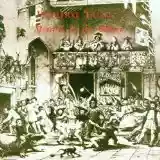
I will attempt to provide a definitive review of an album slightly camouflaged in the Progressive discography... The Jethro Tull were coming from a phase where perhaps the peak had already been reached, not so much in terms of creativity but in terms of success... The band, from Aqualung to Passion Play, achieved rock star dreams... money, concerts, tours... the times of This Was were a distant memory... the critics were impossible to satisfy... and according to Ian Anderson, it was pointless to please both fans and "experts"... I will say something that might not be well-received, but the Jethro Tull, at least those from the Progressive era, have never been a band of and for Ian Anderson alone... listening to the pieces, it's evident how each musician had his charisma and his own imprint... Barriemore Barlow, the greatest drummer of the circle... Jeffrey Hammond, a stage animal as well as a great bassist... John Evan, a brilliant and classically trained keyboardist... Martin Barre, certainly responsible for all the riffs in Anderson's compositions... hence it is wrong to consider the band as the creation of a nevertheless great leader... in this light, Minstrel in the Gallery must be viewed... let's forget about the lyrics, Anderson's obsessions, and critics' annoyances over the phenomenon... the album highlights the detachment of a musician who feels misunderstood and perhaps no longer motivated... and maybe even weary of the music the band has created so far... War Child itself is proof of this... an album that could have been the best of the discography and instead was lightened by Anderson's acoustic and dictatorial lines, leaving aside great pieces released years later... Minstrel describes how the band was now dedicated to work... Anderson with acoustic and alone on one side and the rest of the band on the other... many indeed are the showpieces with and without him... The songs... Minstrel in the Gallery... divided into three musical parts... the first acoustic and singer-songwriter-like... and never ever folk as is always said of J. Tull... the second part was a Barre showpiece... aggressive and instrumentally prog; it was already in concert since '73... this suggests how perhaps the album was filled out of necessity... the third part is a riff, undoubtedly by Barre, very hard... the second track, Cold Wind to Valhalla, is another certainly acoustic piece by Anderson to which the band adds its contribution... perhaps a bit weighed down by the orchestra... Black Satin Dancer is the group's peak... also because, instrumentally, it's very original... here too, the band delivers a dizzying group solo... and unlike other episodes, Anderson places the flute solo in the happiest spot... Requiem opens a part of solo Anderson... which continues with the duo Nothinat all, one with Duck... all Anderson's melody and not the best... Baker St Muse is a new suite... so much prog and so sublime where the whole group is in unison with Anderson... lots of rock, lots of prog, excellent acoustic lines with the band always lurking... a record considered bad by many for the excess of technique... especially those who have always appreciated softer works like Stand Up or Aqualung... not the best but not the worst of the group either... in short... a record which will find very little favor with Ian Anderson as perhaps the group by then had a tendency to dominate the song with instrumental interludes which will be missing from the next work... a very rock, very prog album and therefore for the few...
Loading comments slowly
Summary by Bot
This review examines Jethro Tull's album Minstrel in the Gallery within the context of the band's progressive era, emphasizing the significant roles of each band member beyond lead vocalist Ian Anderson. The album is described as a mix of acoustic and aggressive progressive pieces, highlighting Martin Barre's riffs and instrumental showcases. Though not considered the band's best, it's recognized for its technical complexity and rock intensity, appealing mainly to prog rock enthusiasts. The review acknowledges the album's mixed reception and the band’s creative tensions at the time.Tracklist Lyrics Videos
Jethro Tull
Jethro Tull are an English rock band formed in 1967 and long led by Ian Anderson. They are known for blending progressive and folk rock around Anderson's prominent flute and for landmark early-1970s albums such as Aqualung and Thick as a Brick.84 Reviews
Other reviews
By Egli
The title track is one of the two main masterpieces of the album, with a very medieval initial atmosphere, decidedly chilling.
"Black Satin Dancer" is a song suspended between the sad and the carefree with a perfect guitar solo.
By STIPE
One of these moments for the band came in 1975 when they released "Minstrel in The Gallery". An album that is nothing short of poor.
A horrendous album, to be avoided and never listened to!!
By ReTarkus
I absolutely have to defend this Jethro Tull album!
Within the fabric of these guitars lies the great mastery of this unforgettable progressive rock group.
