
 •
Rating:
•
Rating:
THE REVIEW
Joe Walsh is about to turn sixty, and he's strabillionaire because in the mid-'70s, a train with the name EAGLES written on its sides stopped in front of him, and he decided to hop on. Apparently, they needed a real rocker to give some punch to the otherwise perfect but dull concerts and records... but not someone who would overdo it, neh...!
A beautiful band, the Eagles, with great songs... but what a shame he got on that train!
A shame for me, for us, and for him, a great and very loud rock blues guitarist, one of those who should spend their entire career strictly in a trio, with a bassist and a drummer backing him with the rhythm, and woe to anyone else—that’s the "full" sound, the overflowing energy, the tons of feeling he can deliver when he has all the space possible on stage.
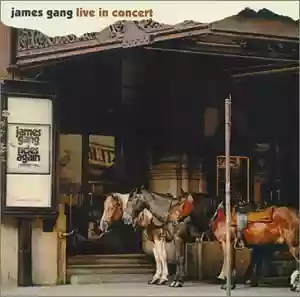
And this is the album that perfectly captures the regret mentioned above. Here he is, twenty-three years old in 1970 with his trio while he goes overboard, overpowering yet in perfect control with his Les Paul terrifyingly wrapped in a swell of repeating echoes, his high-pitched metallic voice cutting through the sonic chaos, his two cohorts beside him wide awake, holding their own brilliantly.
"Stop" kicks off the hostilities; it's a classic icebreaker track (what ice, they're all there shouting...) direct and brief, flowing straight into the elephantine blues "You're Gonna Need Me", a true lava flow slow and relentless, to the point of burning your ears. A tsunami-like solo with the churning guitar swallowing and spitting out Joe’s mocking little voice, as nasty as vinegar clashing with the thuds of drums and bass. What a blues! It bleeds out of the speakers! After all that thunder, the guitar is momentarily set aside for the Hammond organ for a pair of ballads, each more beautiful than the other: "Take A Look Around" and "Tend My Garden". The fifth piece "Ashes The Rain And I" is also a ballad, but here Joe and bassist Dale Peters are on acoustic guitars for a track that is nevertheless tense and intense.
The rock blues smoldering returns with "Walk Away" and it's amusing to compare this version with the half-reggae, perfect but sweat-less version that thirty years later Walsh releases accompanied by the Eagles in reunion: there's just no competition, here the riff leaps at you and pins you down, the reverb echoes inside the concert hall five up the sound and make your eardrums tilt and your belly rejoice... A grand finale with the typical ’70s live track stretched out unbelievably for solos by all the musicians. It's titled "Lost Woman" and never seems to end, but when it finally does, the album is over as well, damn it.
I don’t love live albums; I own very few because they’re either flawed by subsequent overdubs, have inadequate sound, or feature the same studio arrangements. Or, at the extreme, because today there are DVDs, and you might as well watch as well as listen. However, there are exceptions where the added value of the energy exchange between performers and audience, the authenticity and straightforwardness of the event, and the absence of cunning producers tampering with sounds and rhythms where they think it benefits most make it worth owning, and the James Gang captured live in the perfect acoustics of San Francisco’s Carnegie Hall is one of them.
Loading comments slowly
Summary by Bot
This review praises The James Gang's 1970 live album for capturing Joe Walsh at his rawest and most energetic, delivering powerful blues-rock with authentic stage presence. Despite Walsh's later fame with the Eagles, this album showcases his ideal setting in a tight trio format. Standout tracks feature intense guitar solos and emotive ballads, recorded with excellent sound quality at San Francisco's Carnegie Hall. The reviewer values this live album as a rare, unpolished gem in an era where live recordings often lose authenticity.Tracklist Lyrics Videos
James Gang
American rock band formed in Cleveland; Joe Walsh was a guitarist and singer in the group and later joined the Eagles.02 Reviews
