
 •
Rating:
•
Rating:
THE REVIEW
When "The Writing On The Wall" was released, I believe many thought it wasn't a great track, really nothing special. A tired repetition of tropes. Well, now that I've listened to the entire album, I can say that song seems to me one of the most brilliant and fresh.
I'm not an encyclopedic listener of Maiden, but I know them well enough, and lately, I've delved into them quite a bit, particularly Seventh Son and Powerslave. This is to say I'm in a quite favorable phase towards Harris's band, I'm eager to listen to them, so much so that today I rushed to buy the album in a store (it hadn't arrived yet). No big deal, I put on my headphones and went into Conad to grocery shop. Meanwhile, I was listening to the songs on Spotify, immersed in thoughts among the coffee shelves, cookies on sale, queues at the checkouts. The first impression was horrible, really bad bad. Perhaps the fresh comparison with the major tracks from the eighties doesn't help to appreciate this somewhat senile phase (I thought about Scorsese's last lengthy film and found an affinity between the director, Maiden, and those grandparents who always repeat the same story—which surely is exciting the first few times—and over the years, they take even longer to get to the point), but I think this comparison with the young Iron is illuminating for various aspects that transcend the individual album and fix some general dynamics of rock criticism.
After a complete first listen, I opened the web and found enthusiastic reviews. Not so much for the score; that's not the decisive point, but precisely for the concepts. A dark album, an ambitious album. The new creative phase of Iron Maiden continues. I read statements of this tenor. The Guardian gave it five stars, Pitchfork 7.4, Kerrang claims the track Senjutsu is the best opening track since The Wicker Man. A badass track, in their view. In short, little real criticism and lots of genuflections. Let’s be clear: the album seems decent to me after a few listens, certainly dignified for being the seventeenth, but the emphatic tones of the newspapers strike me. I find them out of place, more advertising than analysis.
I've been thinking about it for some time. How many times has the praise of journalists (especially over the long term, on albums from the late phase of a career) arrived as a sort of collusion with public success? How many times has it adjusted to it? And how many times has a critical judgment instead shifted listeners' opinions towards listening to a certain little-known group? I know, these are huge questions that a big book written by the best of experts would not suffice to answer. I was thinking about it in recent days: it has always suited newspapers to speak well of the public's darlings, especially now that rock is a genre not much frequented by young people. But in the end, can we blame them for this?
I don't know, I don't want to judge this album because there are too many aporias at the base of critical judgment. What makes me say that a certain way of playing is better than another? Personal taste, the fashion of the moment, the stylistic code of a certain musical genre. My chronological age and that of the musicians. It's difficult, however, to keep the game of supply and demand unchanged over forty years. For example, in the Maiden metal of 2021, is speed or menacing slowness more appreciable? Because to me, ten-minute tracks that could last four don't drive me crazy, but the snippets of reviews I've read speak positively of trends akin to '70s prog style. They seem to me the usual Maiden, but with extended, puffed-up songs, with numerous repetitions of verse and chorus, solos in abundance (but all very similar and conservative).
It will end up like The Book of Souls, after countless listens, you assimilate the tracks and no longer notice all those minutes of preliminaries and long tails. Surely there is something good to save, unusual vigor given the age, but let's not take everything as gospel. In some cases, you can hear the repetition of musical patterns already widely consolidated and put to good use almost forty years ago. Other moments work better. I like The Parchment, I find its length well managed and justified by the guitar virtuosity, Hell On Earth much much less.
I'm not old but not young either, and I think I've learned only one thing in these twenty years of listening. Music, like many other things, is strongly generational. An identity anthem that serves the young to find a creed, adults to fix their own epic, the elderly to cuddle in memories. Here we have a band of sixty-year-olds, listened to mostly by forty-fifty-sixty-year-olds, reviewed by contemporary peers. It is a generation that ages together; it's not so much about discussing music.
Loading comments slowly
Summary by Bot
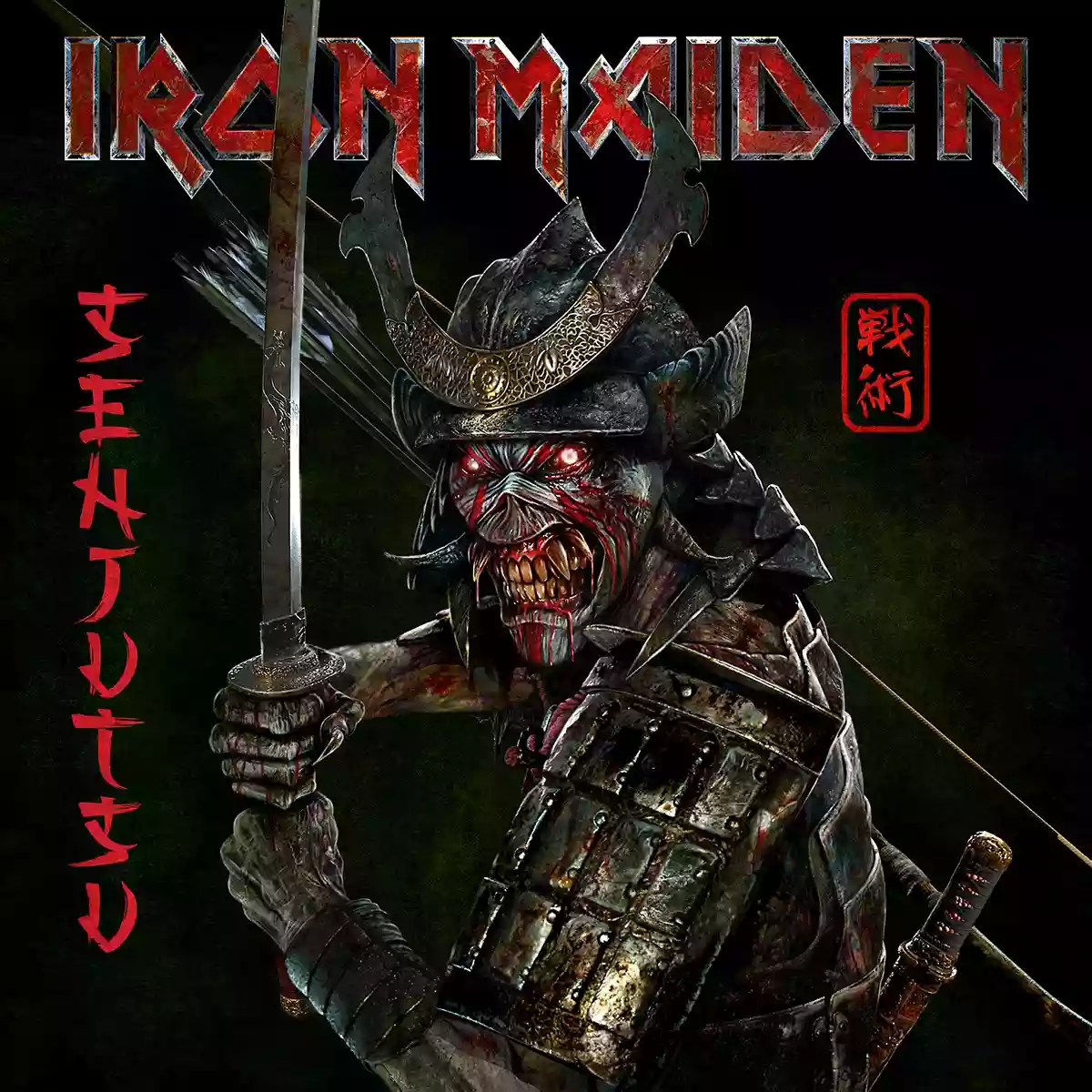
This review of Iron Maiden's Senjutsu reflects on the album's ambitious yet familiar metal sound. The reviewer balances admiration for moments of brilliance with critique of its lengthy, repetitive tracks. It highlights the generational aspect of the band's music and questions the nature of rock criticism in late-career releases. Ultimately, the album is seen as dignified but not groundbreaking.
Iron Maiden
British heavy metal band formed in 1975, led by bassist and principal songwriter Steve Harris. Famous for epic studio albums, theatrical live shows featuring vocalist Bruce Dickinson, and the mascot Eddie.180 Reviews
Other reviews
By JimmyFuma
Senjutsu proves to be an extremely refined, complex, and very enjoyable album that alternates numerous different emotions.
If you are someone who loves the long and complex tracks that Maiden usually offer today, this album will offer you an intensely filled hour and a half.
