
 •
Rating:
•
Rating:
THE REVIEW
“Putain, the Nazis are coming” every Parisian must have said in that June of 1940.
“Children, we must prepare and flee to the countryside,” a mother must have said, “Oh my God, all my precious Sevres ceramics,” the art-loving nobleman with no mortal ties to this world must have said, “My manuscripts!” the selfish and snobbish artist. And everyone took to the streets after bolting the windows tightly, tidying up the kitchen properly, dismissing the servants. Everyone in line toward the unknown. Some on foot, some on carts drawn by animals, the wealthiest in cars while gloomy planes could be heard in the distance, casting the darkest shadows over a city distraught, seized by a measured panic and ready to shut down every corner of life. Everyone was equal, or almost. The search for food became the priority, four walls and a roof the necessity to pass the night. Money was no longer a passport for everything. For everything else, their Mastercard was worthless paper.
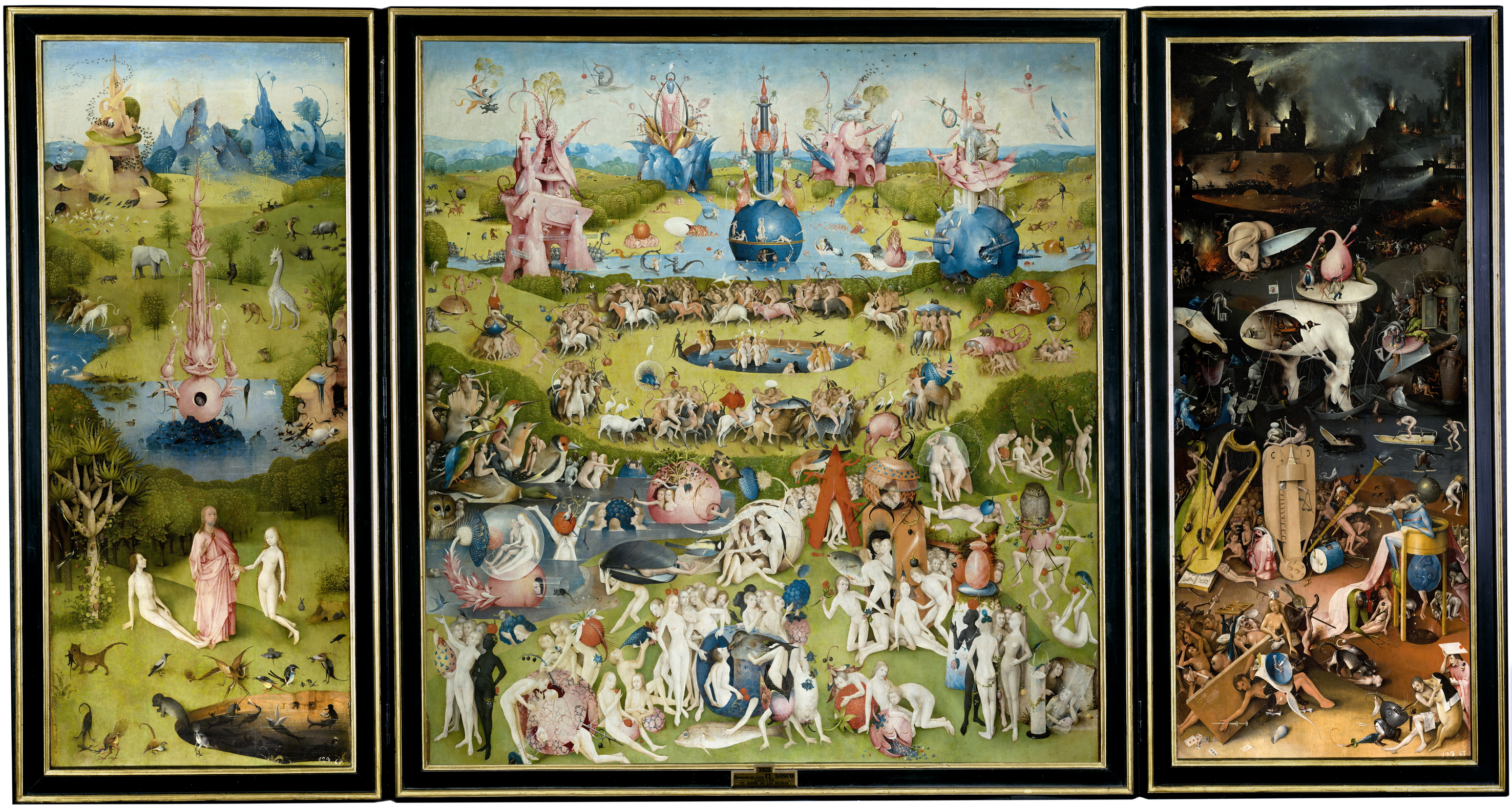
“Storm in June” is a choral fresco of a frightened people, a mirror of France while German troops march inexorably towards the capital. Irène Némirovsky (1903 - 1942) wonderfully paints many little scenes that tend to intersect with simple and linear prose, opening our horizons to the horrors of war while never overemphasizing the stereotypical “horror” of the Wehrmacht soldiers, unwitting pawns in a destiny much greater than themselves. The new bourgeoisie, the rich, the poor, and the clericals become one where only the small nuances of each personality tend to emerge and characterize the brief chapters that shine with their own light like those tiny details only a keen eye can savor before Bosch's The Garden of Earthly Delights triptych. There is room for heroism and love, for the placid rural life, for murderous death, random death, and even natural death, there is room for evil but also for good, there is room for animals, for natural beauties, for the weather, and even for a group of hipsters trying to reclaim their lives after the armistice and the return to Paris.
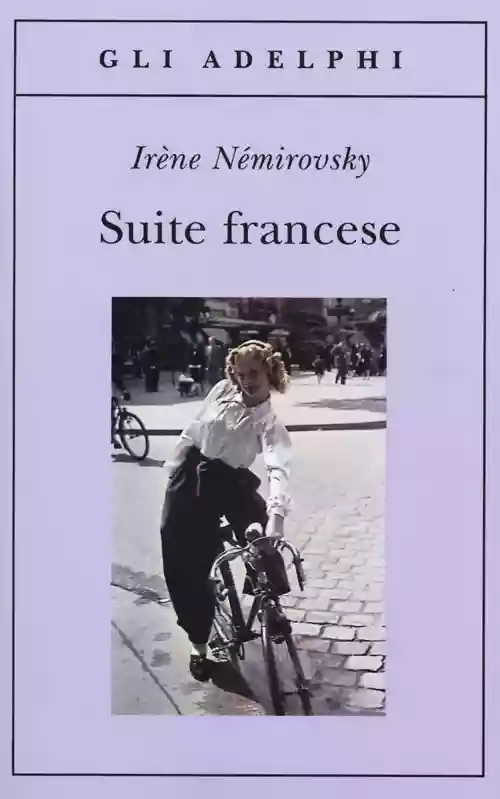
“Storm in June” is the first book of “Suite Francaise”, a work that was supposed to be completed in 5 acts, which precedes the second chapter “Dolce” and nothing more due to the Jewish origin of the writer (born Russian and raised in France), due to racial laws, deportation to Auschwitz, and her death from typhus in 1942. Published posthumously in 2004, “Storm in June” is a beneficial downpour for the soul of every reader, a invigorating bath that washes away certain useless and annoying ignorances, a breath of fresh air after breathing so much stale air. It is a book that brings serenity and the stinging warmth of the sun. It is one of the most beautiful things I have ever read.
Loading comments slowly
Summary by Bot
Irène Némirovsky’s 'Storm in June' offers a vivid, multi-perspective look at France during the 1940 Nazi invasion. Through simple, intersecting scenes, it reveals the fears, hopes, and complexities of varied social classes amid war. The novel balances horror with moments of beauty and humanity. Although unfinished due to the author’s tragic fate, the book remains a moving and enlightening read that refreshes understanding of this dark historical period.
Irène Némirovsky
Irène Némirovsky (1903–1942) was a Russian-born writer who wrote in French. She is best known for Suite française, left unfinished and published posthumously.01 Reviews