
 •
Rating:
•
Rating:
THE REVIEW
Germany is a peculiar country; I got to know it by studying German in high school and traveling to German-speaking areas several times. And I came to the conclusion that Germany is truly a country with a strange culture. I’m not just referring to the odd physical traits of Germans, which is only natural since, until a few decades ago, genetic stagnation was dictated by incest as the national sport. These are areas that, just to give a few examples, could hardly have made peace with the twentieth century’s past in a more original way; places where modernity sometimes seems not to understand its own origins; where the harshness of the language clashes with the fact that not every daily situation can be faced with the frown of a Teutonic knight ready to smash your face; places where the relationship with art is far from the Italian one: the concept of “alternative” is right at home in nightclubs, “subversion” is something ineffable, modern art doesn’t seem to unsettle anyone, and at the same time, in the cities, churches and cathedrals, castles, fortresses, bombed-out areas rebuilt exactly as they were before the spitfires did to them what pigeons do to windowsills, rise up again.
Because maybe what interests us most now is to understand the strange relationship Germany has with its own historical and cultural roots. Do you know what it’s like to enter the Freiburg Cathedral? Well, think about when people say that the Middle Ages weren’t just darkness, that it wasn’t just big men dressed in pelts sitting in locked castle rooms using a skull as a candlestick. The Middle Ages weren’t just about serfdom and weird religious stuff! But if you visit one of the small villages or the Black Forest, your only thought will be: porca troia, the Middle Ages are exactly and fucking what you imagine with big men in pelts and blah blah blah. Unless you’re obsessed with that sunlit fantasy imagery and then you’ll see fairies and all that, but that’s not the point.
The paradoxical thing is that next to this grotesque construct, in the cities you’ll probably find a hyper-modern shop with people dressed in alternative fashion. And close by, almost certainly, there will be a brewery. That’s where we go looking for In Extremo.
One of the most iconic folk metal bands, among the first to conceive it in this way, which is neither close to viking nor to Korpiklaani. And I think they sum up pretty well that whole side of German culture I just hinted at: the fascinated taste for the Middle Ages next to a dark and grotesque imagination that never quite makes peace with an industrial flirtation, harsh sounds that make no excuses for low tones where bagpipes howl, a medieval vibe unafraid of modern intrusions.
"Merserburger Zaubersprüche" is a gloomy – yet sweet – lullaby that sounds like it’s sung by a storyteller and rides an excellent riff. "Ich kenne alles" speeds up the BPM, and you can feel that Folkstone have passed through here. "Herr Mannelig" reinterprets a very sad Nordic ballad and is, without a doubt, one of the high points of this LP. Similarly, "Pavane" extends the duration and proves to be extremely spot-on. This album builds a gothic but rough atmosphere, melodic yet imbued with great hardness. "Spielmannsfluch" picks up the pace again with the howls of medieval instruments. "Weiberfell" is good, though not a shining gem, then a short interlude and we continue with "Werd ich am Galgen hochgezogen" which once again skillfully mixes rock and roll and the Middle Ages while keeping the pace high. "This Corrosion" – speaking of gothic – is a wonderful Sisters of Mercy cover: but in the way they reinterpret the choruses, tell me if you don’t hear Bathory. "Santa Maria" is good but not great and, like the following track (enriched with a funky section), is a traditional song. The album then closes with the excellent, rocking "In Extremo", which seems abrasive and hysterical on the chorus. Finally, the acoustic version of "Herr Mannelig".
I think this is a folk metal primer: the history of all folk metal – or maybe I should say folk rock – passes through here. In Extremo demonstrate skill in handling both rock and medieval structures and declare modernity with a few nods to Rammstein. In my opinion, the only flaw with this album is that once it’s over, you realize that many great tracks are covers. But that’s all. Enjoy this album with its unpronounceable name, soak up the grotesque and ancient atmosphere that clashes with modern showmanship, let yourself be bewitched by German and the most ruthless folk music.
"In Extremo!" Score: 86/100.
Loading comments slowly
Summary by Bot
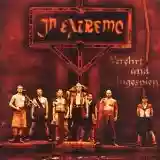
This review explores In Extremo’s 'Verehrt und Angespien,' highlighting its blend of medieval and metal sounds. The reviewer awards it a solid 4 out of 5, praising its musical craftsmanship. The German band’s unique approach stands out. The album is recommended for genre fans. Its folk influences receive special mention.Tracklist
01 Herr Mannelig (04:56)
02 This Corrosion (04:02)
03 In Extremo (04:29)
04 Pavane (05:01)
05 Vänner och Frände (03:59)
06 Merseburger Zaubersprüche (04:28)
07 Weiberfell (04:29)
08 Santa Maria (04:30)
09 Werd ich am Galgen hochgezogen (03:49)
10 Ich kenne alles (03:07)
11 Miss Gordon of Gight (02:11)
12 Herr Mannelig (acoustic version) (03:08)
13 Spielmannsfluch (03:42)
In Extremo
In Extremo are a German folk/medieval metal band formed in 1995, known for blending traditional instruments such as bagpipes with electric guitars and drums, and for drawing on sources from German, Latin and other traditions.02 Reviews
