 •
Rating:
•
Rating:
THE REVIEW
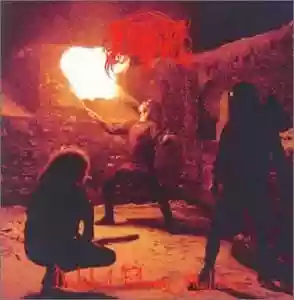
I must say that this is one of the very few albums I bought without listening to it first, going in blind, so to speak... I found myself listening to a fundamental and, in my opinion, unmissable record.
The album opens with a very short intro that foreshadows the content of the work: a chilly breeze hums in the background while Abbath (the singer) intones accompanied by a classical guitar, a good start indeed.
Hardly time to pause, the first real song of the album kicks in, "The Call of Wintermoon": pounding drums and some preparatory screams, when the singing begins the pace slows a bit, but Demonaz's solo picks it up again allowing one to hear the call of the winter moon...
The same goes for the following track "Unholy Forces of Evil", whose pattern closely follows the previous song, but without resembling it melodically, thereby not sounding like a copy.
What follows "Cryptic Winterstorms" is, in my opinion, the most beautiful song on the album: a solitary classical guitar which is then accompanied and replaced by bass, guitar, and drums, only to reappear in each chorus (never alone again, though) while Abbath, in full growl by the best black metal tradition, informs us (to paraphrase his words) that "the full moon is at its peak".
It is followed by "Cold Winds of Funeral Dust", a song that unfolds fairly calmly, amid Abbath's evil laugh and some drum rolls by Armagedda, only to suddenly speed up towards the end, catching the listener off guard.
"Blacker Than Darkness" begins with a relentless rhythm and maintains it until the end, it's amazing how Abbath evilly repeats the song title in the choruses.
The final track, "A Perfect Vision of Rising Northlands" marks the return of the already familiar classical guitar which has the task of starting the "dance," a sharp riff bursts in and silences it, accompanied by a barely audible bass (as throughout the entire album) but by effective drumming, all "seasoned" with a slight choir (at least it seems so) that creates the right atmosphere. Toward the end, the classical guitar returns alone but is interrupted again with the help, this time, of a truly apt keyboard. A final classical guitar solo closes the "Diabolical Mysticism of the Full Moon".
It was 1992 and this debut by Immortal (very young at the time), in addition to paving the way for a brilliant career for the group, would also open the path for many blacksters, not just Norwegians. A must-have.
Loading comments slowly
Summary by Bot
This review praises Immortal's debut album as an essential black metal record. It highlights the album's chilling atmosphere, strong instrumentation, and unique track progression. The reviewer appreciates the blend of classical guitar elements and harsh vocals. The album is recognized for influencing many black metal artists beyond Norway. Overall, it is described as a must-have classic.
Immortal
Immortal is a Norwegian black metal band associated with the early 1990s Norwegian scene, known for fast, icy riffing and fantasy-tinged lyrics centered on the fictional realm Blashyrkh. Key figures discussed in the reviews include Abbath and Demonaz, with drummer Horgh joining later; Demonaz temporarily stopped playing guitar due to tendinitis but continued as lyricist, and later returned to guitar and vocals.16 Reviews
