
 •
Rating:
•
Rating:
THE REVIEW
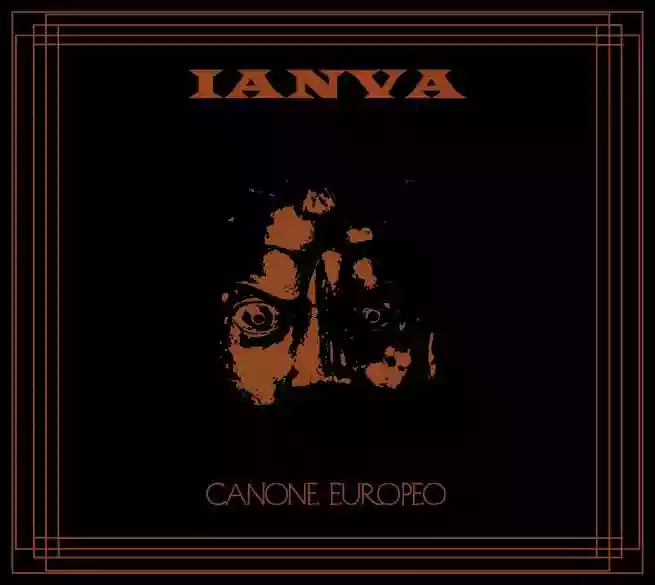
Ianva is a unique and unconventional project within the Italian music scene. The Genoese group led by Mercy (Malombra, Il Segno del Comando, Helden Rune) quickly distinguished itself with an approach that combines an aesthetic reminiscent of neo-folk and martial imagery (Laibach, Death in June) with a particular attention to the glorious tradition of Italian music: references to Fabrizio De André, Piero Ciampi, Luigi Tenco are not missing, as well as the legendary soundtracks of Ennio Morricone and Franco Micalizzi and the Italian prog of the '70s. After the EP "La ballata dell’ardito" from 2005 and the splendid "Disobbedisco!" (2006), a grand fresco dedicated to the D'Annunzian utopia of Fiume, came the turn of "Italia: Ultimo atto", a ruthless diagnosis of Italian history and mysteries from the post-war period onwards. The subsequent "La Mano di gloria" (2012) was not completely focused, being too long and difficult to digest, although it should be noted that to fully understand its meaning, one should read the three-volume box set published later by Renato “Mercy” Carpaneto.
The 2006 EP "L’Occidente" should also be mentioned, to which, in some way, the new "Canone Europeo" is connected. Musically, we are always in the realm of proud and epic folk and martial rock. In this sense, the anthem “Hellas” links back to the glorious tradition of our continent and is a heartfelt tribute to the classical roots of Greece. The subsequent “Come ferro battente”, a compelling martial rock piece, is a true manifesto against current vulgarity: the text is reminiscent of the sensitivity of the great Junger, author of “Le tempeste d’acciaio” and “Il ribelle”. We are in front of a complex album rich in meanings and references: the reference to the great Michele Mari—in my opinion the greatest Italian writer at the moment—and his “Tutto il ferro della Torre Eiffel” in “L’alba delle ceneri,” which discusses the numerous artists and writers who committed suicide throughout our history, only confirms Ianva's foresight. Stefania D’Alterio's unmistakable voice takes center stage in the touching “Resurgente,” a piece that recalls the Five Days of Milan. In “Canone Europeo,” we find Enrico Ruggeri as a guest vocalist, singing alongside Mercy. “Le Rital” instead discusses the mythical Vincenzo Peruggia and his sensational and legendary theft of the Mona Lisa from the Louvre in 1911, an aesthetic gesture legendary in its own right. “Rombo di giovane ala” narrates the flight of Gabriele D’Annunzio over Vienna, a reminder of a historical period aiming to disrupt the order of things.
“Canone Europeo” is a profound album that confirms Ianva as the heralds and minstrels of the decline of European civilization.
Loading comments slowly
Summary by Bot
IANVA’s Canone Europeo is a complex, richly meaningful album blending neo-folk and martial rock with deep roots in Italian musical heritage. The album features historical and literary references, notable guest vocals, and explores themes of European civilization’s decline. It continues the band’s tradition of epic, proud folk music punctuated by cultural and political commentary. The album is praised for its thoughtful composition and evocative storytelling.Tracklist
01 πάροδος (01:34)
02 Nessuna Croce Manca (05:15)
03 Cummandar As Shaitan (05:06)
04 Patmos (07:58)
05 Hellas (05:34)
06 Come Ferro Battente (05:19)
07 Resurgente (07:23)
08 Canone Europeo (05:14)
09 Le Rital (05:16)
10 Rombo Di Giovane Ala (07:16)
11 L'Alba Delle Ceneri (06:13)
12 Benvenuto (05:08)
IANVA
IANVA is a Genoese collective founded in 2003 by Renato “Mercy” Carpaneto. Blending neofolk and martial accents with Italian songwriting and cinematic orchestrations, the group is known for historically charged concept albums such as Disobbedisco! (Fiume) and Italia: Ultimo atto.05 Reviews
