
 •
Rating:
•
Rating:
THE REVIEW
Hugh Hopper was one of the prominent figures in the Canterbury scene alongside Robert Wyatt, Daevid Allen, Kevin Ayers, and the Sinclair cousins.
He officially joined the Soft Machine after the first album, having been promoted from roadie to bassist, and he would play in the band until "Seven," the seventh album of the Soft Machine.
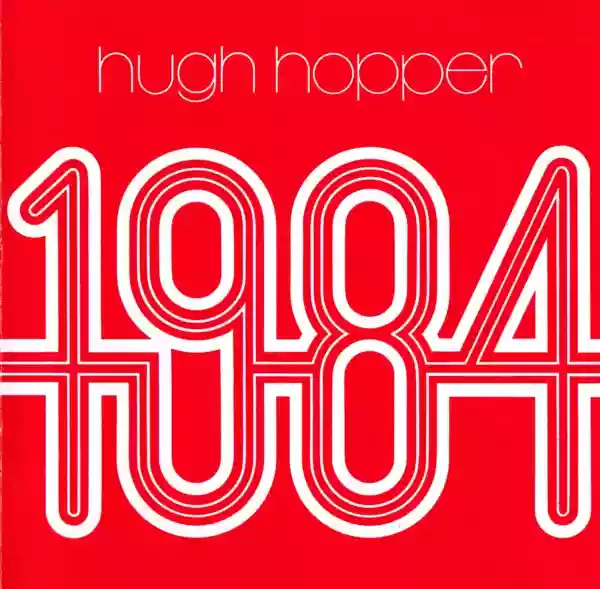
In 1973 he released his first solo album: "1984." Hugh Hopper's first solo work was a very interesting project, with challenging and courageous content, and it is mostly characterized by tape loops and bass experimentation. Hopper draws inspiration for the album from the Jazz-Rock vein that characterized Soft Machine, and some tracks might remind one of Robert Wyatt's "The End Of An Ear," although they lack the pataphysical and crazy vein that characterized it. The album has great tracks like Miniluv and Miniplenty and remains at a high level with the other tracks as well.
I highly recommend listening to it to anyone who considers themselves a fan of the Canterbury scene.
Loading comments slowly
Summary by Bot
Hugh Hopper's 1984 is a seminal solo album reflecting his role in the Canterbury scene and Soft Machine. It features experimental bass work and tape loops with strong jazz-rock influences. The album showcases tracks such as Miniluv and Miniplenty. Fans of progressive and avant-garde jazz-rock will find it highly recommended.Tracklist Videos
Hugh Hopper
Hugh Hopper (1945–2009) was an English bass guitarist and composer, a pivotal figure of the Canterbury scene. A former Soft Machine roadie, he became the band’s bassist after their debut and played through Seven (1969–1973). His 1973 solo debut, 1984, explored tape loops, fuzz bass, and jazz‑rock textures, and he continued through numerous collaborations and projects.01 Reviews
