
 •
Rating:
•
Rating:
THE REVIEW
From the collaboration with Robert Williams, drummer of Mr. Van Vliet’s Magic Band, comes this dark, nocturnal album, with fading punk echoes—we’re talking about 1978 (although the album was only released the following year)—and traces of what would also become the future sound of the Stranglers. The instrumentation is enriched by various synthesizers, as well as the complex yet ever-smooth rhythms of Mr. Williams and Cornwell’s signature guitar and bass work. Many guests appear on these recordings, including Ian Underwood (Mothers of Invention), Devo, Ian Dury, and the Clash, who join together in a chorus on the final track.
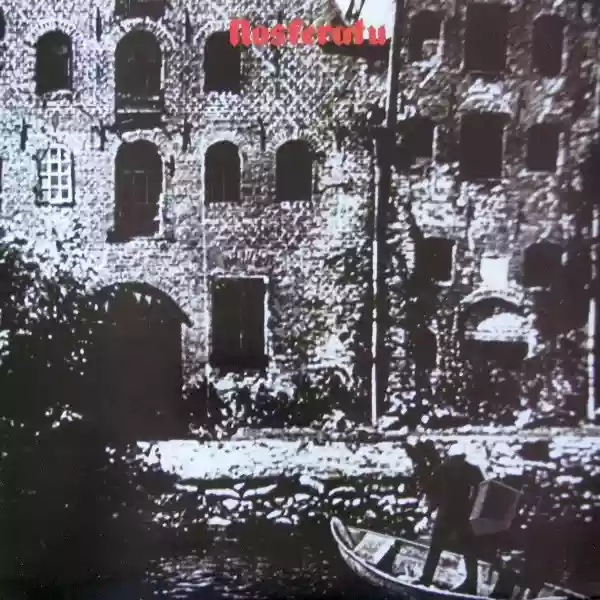
The album presents itself as a hypothetical soundtrack to Murnau’s 1922 masterpiece, with the cover depicting a film still. Recorded mostly during the late night hours specifically to lend the work an even darker and more ominous atmosphere. Taking a break from the exhausting early years of the Stranglers, Hugh explores different sounds—avant-garde, new wave—dedicating himself to a project that initially didn’t achieve commercial success, but has been reevaluated over time. Even now in 2025, Cornwell performs it live in its entirety.
The track sequence unfolds a series of events more or less intertwined with the narrative, starting from the frantic rhythm of "Nosferatu," then dissolving the sound in the beautiful and atmospheric "Losers in a Lost Land." Next comes the album’s only cover, "White Room" by Cream, which fits seamlessly into the album's storyline and was the only single released at the time. The album then moves through the jagged, dissonant patterns of "Irate Caterpillar" and arrives at "Rhythmic Itch," the Mark Mothersbaugh track that gives it a distinct Devo feel, defined by the use of synthesizers. "Wired" features Ian Underwood (special guest) on saxophone—a complex, sinister track, yet refined and sophisticated in its arrangement. "Big Bug" and "Mothra" hit the album’s pinnacle: equally intricate pieces, built on Robert Williams’ never-predictable rhythms and Cornwell’s interwoven instrumentation. With "Wrong Way Round" the atmosphere loosens somewhat, a song that could easily belong to the Stranglers, with melody and dissonance in the Cornwell style and guest Ian Dury as the town crier—a spot-on role. The album closes with "Puppets"; it's said the Clash were recording in a neighboring studio and accepted Cornwell’s invitation to join in a chorus on the final track, which ends with a sinister pitch shift on the voices.
An album that looked ahead; unfortunately, it didn’t get the commercial recognition it deserved, but that’s not necessarily a negative—it’s preserved its mystery and allure, encapsulated in the image of the inner sleeve, where we can admire a close-up of a Han’nya mask and some illustrations relating to the tracks.
Loading comments slowly
Summary by Bot
This review celebrates Hugh Cornwell's Nosferatu as a standout post-punk album. It highlights the album's experimental approach and mood. The reviewer notes its importance in Cornwell's discography. Praise is given for the unique sound and artistic risk. Considered a must-listen for genre enthusiasts.Tracklist
Hugh Cornwell
Hugh Cornwell is an English singer, songwriter and guitarist, best known as a founding member and frontman of The Stranglers. Since leaving the band, he has pursued a long-running solo career with albums including Nosferatu, Wolf, Guilty, Hi Fi, Hooverdam, Totem & Taboo and Monster.01 Reviews
