
 •
Rating:
•
Rating:
THE REVIEW
The importance of Belafonte on American folk of the sixties is enormous, so much so that even Dylan, who in his youth played harmonica on one of his albums, often cites him as one of his main influences. It may seem strange that a character defined as the "king of Calypso" could have influenced that generation of singer-songwriters who brought protest to music, but a careful listening to his songs can dispel any doubt.
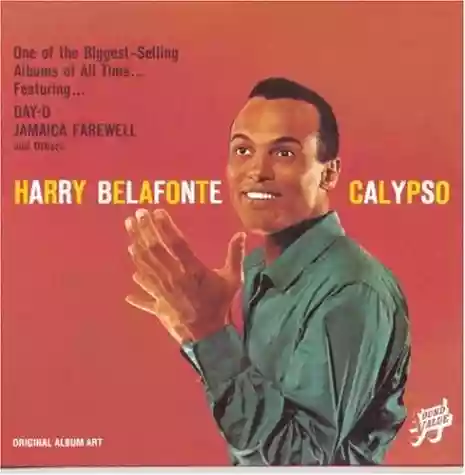
However, Belafonte's importance in American music does not stop here. This album was indeed the first collection of songs to surpass a million copies sold and naturally catapulted its author into the limelight, sparking a calypso fever across America, a musical genre that masks strong protest lyrics against bad politics and the social conditions of the weakest behind its danceable elements.
Belafonte, born in 1927, came to music after a fair amount of success as an actor in several films and musicals, for which he would write some songs that served as soundtracks and contributed to his launch into the music world. A straightforward and jovial character with a ready smile and willing to support any good cause.
"Calypso" was released in 1956, driven by the immediate success of the famous "Day-O(The Banana Boat)", a traditional song that would become the trademark that accompanied him throughout his career. A song of strong racial denunciation that contrasts with the basic joyfulness, originating from Trinidad and sung by the workers who loaded banana ships all night, waiting for someone to send them home with the arrival of daylight.
Belafonte's songs are strongly influenced by the places where the musician lived in his youth, so we might find Caribbean, Jamaican, and New York influences. The ability to combine American folk, known thanks to his frequent visits to Greenwich Village, a true crossroads of American culture in the fifties and sixties, with the atmospheres and sounds of his Caribbean origins, made him one of the first singer-songwriters able to mix different sounds and incorporate them into a single song. Assisted by Irvin Burgie in writing the pieces, "Calypso" can undoubtedly be considered one of the first examples of global music. Alongside danceable tracks like "Dolly Dawn", "The Jack-ass song", we find the pirate-themed "Will his love be like his Rum?" and folk songs like "Come Back Liza" and "Jamaica Farewell", the second successful single. Then there's the vibrant "Man smart (woman smarter)" which can be considered one of the first songs to highlight the role of women in history.
Belafonte's battle for the weak and minorities would continue throughout his career, first alongside Martin Luther King, then as a UNICEF ambassador and participating in charitable events without drawing too much attention and with discretion.
Often forgotten, his absence on DeBaser can serve as an example, Belafonte is a character to be rediscovered and appreciated.
Loading comments slowly
Summary by Bot
Harry Belafonte's 1956 album Calypso was a groundbreaking success that boosted his career and influenced American folk music and protest songs. The album fused Caribbean rhythms with social protest themes, sparking a nationwide calypso craze. Famous for 'Day-O (The Banana Boat Song),' it features culturally rich tracks highlighting political and social issues. Belafonte's commitment to activism continued beyond music, making him a significant figure in American and global music history.Tracklist Lyrics Videos
Harry Belafonte
Harry Belafonte (born 1927) was an American singer, actor and activist known for popularizing calypso music in the U.S., his international repertoire blending Caribbean and American folk, and his public support for civil-rights causes.02 Reviews
