
 •
Rating:
•
Rating:
THE REVIEW
Beauty is a bastard angel that smells of sweat. We are afraid because we are no longer accustomed to death. We are not this body, but we are here. Love the indifference of eternity. It is the reflection of the mirror that keeps us from going insane.
When will there be conscious suffering? Thought is a chain. Outside of time, there is life. Dispersion is our compass. Image is decay, memory a limbo. Horror is forgetting one's own vanity. How boring the yearning for continuous transformations.
The mute understanding of dualistic secessions no longer affects the immobility of the infinite: I don't know what it means, but so it is.
Moreover, "a noi ce piace de magna' e beve, e nun ce piace de lavora'; Daje de tacco, daje de punta quant'è bona la sora Assunta": things were better when they were worse... We dilute the ancestral pains in the immature infancy of eternal returns. We dissociate from misleading objectives of essence. Unthink answers and meanings, Scratch the wound of our nothingness. Shipwreck the certainty of golden landings.
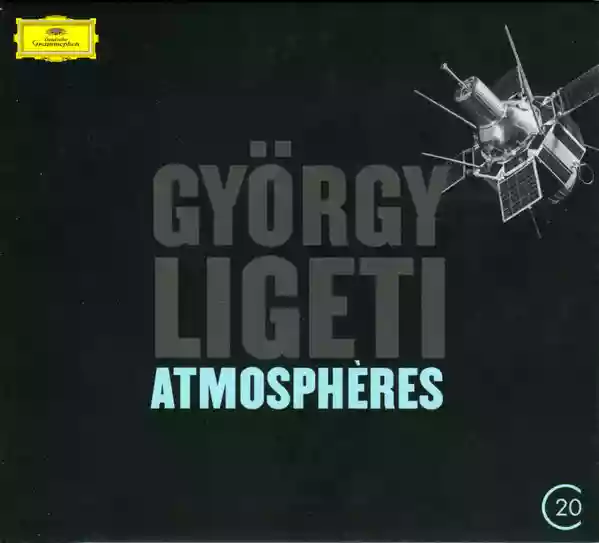
Passed through gnostic "Atmosphères," I lend myself to mediation: abandon the lie, conquer solitude, make the alien within us the protagonist, water maladjustment, embrace disappearances, advocate failures, yearn for the inner God, pursue the impersonal legend, cancel reflections, speak of silence, recognize oneself in the dark, infect oneself with pathologies, seek madness, wait ready for the friend death, shun approvals, shipwreck methods, desire the desert, kill the master.
Epoptic gaze: “No one hears the invoking voice in the darkness; but why does the voice exist?”
Deep space is around the corner...
Loading comments slowly
Summary by Bot
This review invites listeners into a meditative exploration of György Ligeti's Atmosphères, emphasizing its existential and philosophical nature rather than straightforward musical description. The reviewer portrays the album as a complex experience grappling with themes such as eternity, suffering, identity, and silence. Though not explicitly praising or criticizing, the review reveals a thoughtful engagement with the album's abstract and challenging qualities. Overall, the tone is contemplative, reflecting the dense, enigmatic nature of Ligeti’s work.Tracklist
György Ligeti
György Ligeti (1923–2006) was a Hungarian-Austrian composer born in Transylvania. A leading post‑war avant‑garde voice, he developed micropolyphony in works such as Atmosphères, Requiem, and Lux Aeterna—later heard in Kubrick’s 2001: A Space Odyssey. He taught for years in Hamburg and wrote across genres from string quartets to opera.04 Reviews
