
 •
Rating:
•
Rating:
THE REVIEW
My main conversation partner in musical discussions, especially regarding the current state of the scene, is my lawyer Michele. I want to clarify that I am neither Tronchetti-Provera nor Cesare Previti, so his being a lawyer is secondary to him being, first and foremost, a friend.
But as they say, opportunity makes the thief, and if you are a thief, having a lawyer by your side can be quite useful. In our recent musical opinion exchanges, we noticed how once (not so long ago), an emerging band was doing well if it artistically surpassed the threshold of the second album, while now, if it goes well, it lasts at most the length of the first album. A world of musical meteors, “made to fade”, as they say in English.
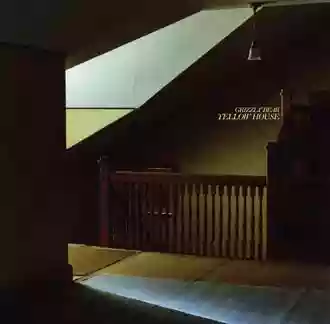
The Grizzly Bear are a typical example of what is written above. A good band, with a captivating and, if we want, particular musical proposition, but that can't finish the lap and stops to catch their breath just a few meters from the finish line. Released by Warp (now less and less a label symbol of avant-garde electronics), "Yellow House" hides small pearls, but often hidden by dark and sleepy corners, much like the dimly lit album cover foreshadows.
Yet the album starts excellently, stringing together three songs one better than the other. In these moments, Grizzly Bear recalls the ecstatic Mercury Rev of “Deserter Songs”, especially “Easier” with that celestial xylophone. “Lullabye” chases “Pet Sounds”-like vocalizations with less grandeur and a semi-martial accompaniment. “Knife” is the perfect bedroom pop song, but with an enviable instrumental setup. Precisely the variety of instrumentation is the added value of the work; among glockenspiel, banjo, strings, and various brass, the solutions are never predictable. But paradoxically, the listen becomes quite homogeneous or worse, homogenizing. A sense of too much perfectionism pervades the celestial choruses of "Central And Remote", “Marla” can both move and make you yawn, and “Colorado” lasts twice as long as it should, often going in circles. To be honest, “On A Neck On A Spit”, with its pastoral lullaby, and “Plans”, with that Morricone-like whistling on the porch, possess undeniable charm, but the problem stated at the beginning remains.
Will we end up sifting through the bottoms of rivers in search of gold nuggets lost in the tracklists of millions of albums, or will we patiently wait for a miracle that will change the fate of today’s musical landscape?
Loading comments slowly
Summary by Bot
This review examines Grizzly Bear's 'Yellow House' as a promising indie folk album with rich instrumentation and a captivating start. However, it notes flaws in pacing and cohesion that prevent the album from fully succeeding. The reviewer reflects on the fleeting nature of musical careers today and questions the future of music discoveries.
Grizzly Bear
Grizzly Bear is an American indie band formed in Brooklyn in 2002. Initially Ed Droste’s project, it became a quartet with Daniel Rossen, Chris Taylor, and Christopher Bear. Known for intricate harmonies and layered arrangements, they released the acclaimed albums Yellow House, Veckatimest, Shields, and Painted Ruins.06 Reviews
