
 •
Rating:
•
Rating:
THE REVIEW
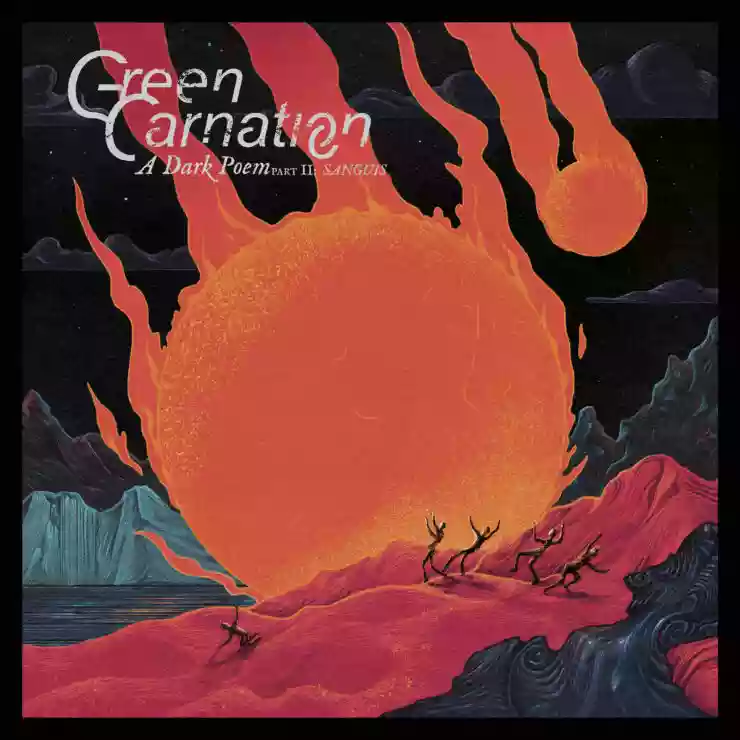
Second chapter of the “A Dark Poem” trilogy by the Norwegians Green Carnation. The first chapter had received a reserved endorsement—I acknowledged good and interesting ideas but complained about the songs and themes not being properly developed. Basically, I postponed my judgment, wanting to see what would happen in the subsequent chapters. Honestly, I have to say that this second chapter does not make that leap in quality; in fact, it is even a step below the previous one, appearing simpler and barer, even though one can’t really complain about its powerful and effective sound. However, it should also be said that, after the only partially fulfilled expectations of the first chapter, I listened to this work with fewer prejudices, keeping my expectations low, knowing I shouldn’t expect too much, and this allowed me to enjoy it without overthinking.
The features remain more or less the same: the usual rocky guitars with a hard rock aftertaste, the edgy bass lines, and the same strong organs supporting the sound. But even here, there’s a tendency not to go much further. The songs are a bit shorter, which can be considered a merit; with shorter songs, one tends to be less pretentious and to accept greater simplicity, so the sense of something unfinished feels a little less bothersome. However, the fact remains that it’s a chapter of a trilogy and therefore would require more theatricality and epicness.
The track that best matches the compositional level of the first chapter is “Fire in Ice”, with its keyboard strikes that vaguely recall some ‘80s synths but rewritten according to the Green Carnation sound, and it also offers good melodic openings. However, the two most successful tracks turn out to be the two slow episodes, because that’s where the band best develops its creative and melodic vocation, not simply acting as a solid metal band: “Loneliness Untold, Loneliness Unfold” and the closing “Lunar Tale,” two very different songs but sharing the same strong melodic depth; the first extremely dark, the second more reminiscent of autumn’s numbness and grayness; dark and metallic strings delicately played in the first, soft acoustic caresses, piano touches, muffled strings, and flutes, all in a Nordic folk mood, in the second. “I Am Time” is also good, bringing back dark arpeggios and subtle synth passages in the verses, while “Sweet to the Point of Bitter” is clearly serving the album's rockier and more aggressive side, fulfilling its role well without leaving too many regrets. Perhaps the one that deserved better development is the long, introductory “Sanguis,” where the robust organ sound is used best but there remains the impression of a track that is too static and artificially prolonged.
The final feeling remains that of “nothing to write home about,” that of a powerful album, played decently and with conviction, but always with the hovering specter of “it could have been more.” However, I set much higher expectations for the last chapter, to be released in September (hopefully when the stifling heat will have left us); the feeling that they’ve saved the best for last is tangible. Looking at the tracklist, there will be only 4 tracks (I imagine this time they’ll be long and well developed) compared to the 6 of the first two, and among these there’s mention of an orchestral suite, which amounts to a heavy statement—a promise to deliver a complete masterpiece. This time, I really do believe it, even if I don’t want to delude myself.
Loading comments slowly
Summary by Bot
This review examines Green Carnation's 'A Dark Poem Part II: Sanguis,' providing an honest evaluation of its musical atmosphere and quality. The reviewer offers a balanced perspective, noting both positive elements and areas that fall short. The album receives a middle-of-the-road score, reflecting a mixed impression. Fans can expect a detailed look at the strengths and challenges in this latest release.Tracklist
Green Carnation
Green Carnation is a Norwegian metal band known for stylistic shifts from doom and gothic to progressive metal and acoustic works. They are widely recognized for the single-track, 60‑minute album Light of Day, Day of Darkness and returned in 2020 with Leaves of Yesteryear.05 Reviews
