
 •
Rating:
•
Rating:
THE REVIEW
Blood and soul, passion and spirituality.
Glenn Hughes, “The Voice of Rock”, is this and much more.
Time seems to stand still for this rock icon. His distinctive vocal cords seem to have lost none of the power and range they boasted back in the unforgettable seventies. It was then that our man, just in his early twenties, first made a name for himself and was appreciated with Trapeze, before achieving worldwide success with the “Mark 3” of the famous Deep Purple.
At the height of success, Glenn's life and career take an unexpected turn. It all starts with drug addiction and continues with the disbandment of Deep Purple. But the final blow comes with the death of soul mate and excellent guitarist Tommy Bolin, a fellow traveler in one and the other.
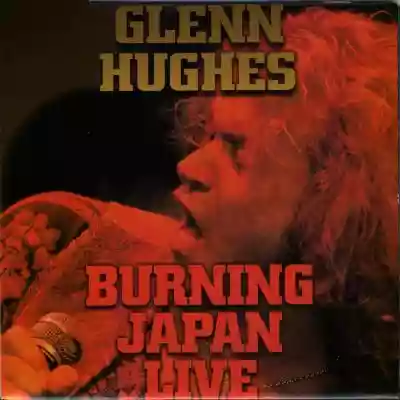
It takes him a decade to free himself from the specter of drugs and to recover fully. The eighties, in fact, are filled with countless and sometimes even remarkable collaborations (Pat Thrall, Black Sabbath, Gary Moore), but Glenn struggles to find his own identity. The nineties, on the other hand, represent the rebirth of the artist and the man, and after two very good solo albums such as “Blues” and “From Now On”, in 1994 comes the legendary “Burning Japan Live”.
The perfect album, where Hughes demonstrates he's in extraordinary shape and although time has certainly marked his soul and physique, it hasn't touched his most precious gift. His warm, soulful timbre, which navigates through an incredible series of vocal virtuosities, melismas and trills, moving from the lowest to the highest tones, from the most intimate vocalizations to the roughest, without apparent effort. A highly respectable band accompanies him: ex-Europe members Mic Michaeli on keyboards, Ian Haugland on drums, and John Leven on bass; along with two little-known but talented Swedish guitarists, Eric Bojfeldt and Thomas Larsson. The songs on this album mix all the artistic cues of this eclectic musician, from rock to blues, soul to funk, an explosive blend ignited by a great feeling.
And so, it starts right away with “Burn”, the opener and great classic of the Deep Purple era, performed impeccably both instrumentally and vocally. The album continues with some songs from the previous album “From Now On”, notably the title track and “Into The Void” are truly inspired. But Glenn also delves into the excellent collaboration with Pat Thrall from 1982, the mid-tempo “Muscle And Blood”, the splendid and melodic “Coast to Coast”, in which Hughes showcases the best of his vocal skills, and the more rhythmic “I Got Your Number”. The emotional peak of the concert, however, comes with the pairing of “This Time Around” and “Owed To G” from “Come Taste The Band”, a wonderful yet underrated Deep Purple album. The introduction dedicated to his friend Bolin is moving, the performance is spectacular. No words can describe it.
The group presents other Deep Purple classics (“Lady Double Dealer”, “Gettin’ Tighter”, “Stormbringer”) and particularly the timeless “You Keep On Moving”, which incidentally is my favorite piece by the band. Introduced by a long keyboard carpet over which Glenn displays his singing abilities and improvises an invented text. If the song battles between melody and rhythmic bursts, the performance is chilling, and the Japanese audience is engaged by the frontman for part of the song.
In conclusion, this is one of those live albums every rock music enthusiast should own, from an artist who survived the test of time and who, even now, on the cusp of sixty, continues to produce valid albums and unforgettable live performances. I personally saw him play in 2005 in Roncade (TV) during the promotional tour of the album “Soul Mover”, and I was impressed.
Loading comments slowly
Summary by Bot
Burning Japan Live captures Glenn Hughes at an extraordinary vocal and emotional high, delivering a powerful performance of Deep Purple classics and solo work. The album showcases his range, soulfulness, and resilience through a blend of rock, blues, and funk. Accompanied by a skilled band, Hughes reminds listeners of his legendary status. This live album is a must-have for rock enthusiasts and fans of Hughes' career.Tracklist Videos
Glenn Hughes
Glenn Hughes is an English singer and bassist known for blending hard rock with funk and soul. He rose to international fame in the 1970s with Trapeze and Deep Purple (Mark III/IV), later building a long solo career and numerous collaborations. Reviews emphasize his battle with drug addiction and a subsequent musical and personal rebirth, alongside enduring acclaim for his powerful, soulful voice.13 Reviews
