
 •
Rating:
•
Rating:
THE REVIEW
Few musical groups from the 70s have managed to embody the spirit and soul of the sublime movement called Progressive Rock so well. Undoubtedly, the Gentle Giant can boast of being prog 100%, like almost no other band, from the beginning to the end of their career, which ended in 1980 for reasons of coherence, as they were reluctant to steer towards other musical genres just to remain in the public’s sphere of interest. They are the manifesto of progressive, so much so that the drawing of the Giant appears on almost all the covers of the few books that discuss the topic.
But do the Gentle Giant play jazz? Do they play folk-medieval music? Do they play baroque rock? Do they play experimental music? Yes and no: the influences are manifold, but they do not mix, rather they blend into each other, forming what makes unique the style and the sound of the Gentle Giant. The rhythms often alternate in odd time signatures, the music is extremely melodic, making it not easy listening for ears not accustomed to these characteristics. It's just a matter of understanding the music and appreciating the great compositional work done by musicians of this caliber, technically among the best ever to appear on this planet. They are all multi-instrumentalists and the band has used over 30 different musical instruments, both in the studio and live: electric guitars, 12-string guitar, bass, drums, various types of percussion, organ, piano, harpsichord, spinet, clarinet, various synthesizers, violin, cello, trumpet, tenor and soprano sax, vibraphone, and even an instrument invented by them, the Shulberry, a sort of percussion guitar, played for example in the intro of Playing The Game, from the album The Power And The Glory. A truly extraordinary group then, in which five members out of six sang. One of the singers, Phil Shulman, with the ethereal and velvety voice, decided to leave the band after concluding the tour of Octopus. The tours were tiring for him, and Phil preferred life with his family at home. But the two brothers Derek and Ray certainly do not lose heart because the lineup is now solid with drummer John Weathers now well integrated into the band (ever notice his resemblance to the friendly giant logo of GG?) and with Kerry Minnear and Gary Green always in great form.
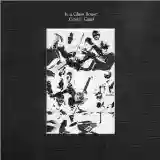
In A Glass House saw the light in 1973, a superb album that excellently represents a worthy follow-up to Octopus. Breaking glass and complex rhythms open The Runaway, with flutes, choruses, and vibraphone in the interludes and Gary Green's guitar in the spotlight. An Inmates Lullaby is a very peculiar and catchy progressive lullaby. Much more rhythm and speed in Way Of Life with virtuoso breaks and numerous changes of theme. Experience begins with almost baroque music sung by keyboardist Kerry Minnear, then arrives at that beautiful bass break on which Derek Shulman's vocal line comes in, offering a remarkable performance here. The violins in A Reunion are magical, a passionate ballad, again with Kerry Minnear's sweet voice. The title track closes the original album and fully represents the definition of symphonic rock. The ending with the slide-guitar and the little medley that ends with the broken glass is beautiful.
On the recently remastered version, we also find two live tracks: the medley The Runaway/Experience recorded in Düsseldorf in 1976 and In A Glass House recorded in Münster in 1974.
It is truly a shame that such a band was not properly appreciated by the public in the past, while critics have always praised their achievements. In Germany, the Netherlands, and Italy, they have always had a rather substantial following, and it is a pleasure to note how the new generations of Progressive fans appreciate Gentle Giant, so much so that nowadays they sell more than they did in the past. They are the true Kings of Prog.
Loading comments slowly
Summary by Bot
Gentle Giant's 1973 album In A Glass House is a quintessential progressive rock work, showcasing complex rhythms and masterful multi-instrumental performances. The album continues the band’s high level of musicianship after Octopus, featuring intricate blending of jazz, folk, baroque, and experimental elements. Despite limited mainstream success, the band remains highly influential and revered among prog fans, selling better today than in their heyday. The remastered edition adds valuable live tracks, further highlighting their exceptional talent.Tracklist Lyrics Videos
Gentle Giant
Gentle Giant were an English progressive rock band active from 1970 to 1980, frequently described (in these reviews) as among the genre’s most technically accomplished groups, known for multi-instrumentalism, complex rhythms, and choral counterpoint.16 Reviews
