 •
Rating:
•
Rating:
THE REVIEW
Few rock bands have assembled an average level of musical technique comparable to Gentle Giant. We are in the presence of multi-instrumentalists capable of moving from Jazz to Folk, from Classical to Rock with great ease and spontaneity. The sound of the "gentle giant" is characterized by the variety of musical approaches that nevertheless coexist in a perfect, highly original synthesis.
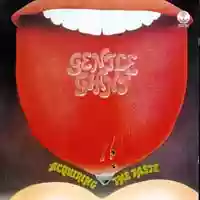
In this sense, I believe that "Acquiring the Taste" is their most beautiful album: it's the one where the spontaneity and creative liveliness of the debut are combined with a surprising expressive maturity. All the tracks are tied together by a harmonic and stylistic unity, making them instantly recognizable. Here, there are no technical complications and the taste for the baroque and the intricate that plagued some works from their second period (from "Octopus" to "Free Hand," to be precise). Nor does it happen that the rock and symphonic components (to simplify) dictate the tracks unilaterally, as was the case in the phenomenal debut album (the dyad Why Not - Funny Ways). Here, the multiple elements of the recipe give rise to a blend in which the flavors are enhanced by balancing each other. Thus, we have the pastoral sound, enriched by the a cappella choruses of the Schullmann brothers, in "Pantagruel's Nativity," the surreal chromaticism of "Acquiring the Taste," a short but precious Moog interlude showcasing the skills of the multi-keyboardist Kerry Minnear. A particular attention to timbres (among others, harpsichord, xylophone, violin, and sax are used) is a key feature of the group's sound, especially on this album.
But the best comes on what was the second side of the vinyl. "Wreck," built on an engaging bassline, sounds rocking, but before the splendid finale where Green's electric solo soars over a bed of liquid keyboards, a miracle happens: like an oasis of solid ground in the midst of a stormy ocean, flute and harpsichord create a delicate, evocative medieval pastel. But there's more. The summit is reached with the sublime "The Moon is Down," a dreamy ballad that opens into a jazz-style digression that's truly worth the price of the album alone. Violin and electric guitar become onomatopoeias of the shrill meows of a cat in the subsequent "The Black Cat," reminiscent of a buzzard.
Last but not least, "Plain Truth," the grand finale that anticipates by at least twenty years certain themes of the best prog-metal and enhances them with jazz nuances. Wonderful. Guys, do yourselves a favor, buy this album. It's worth it.
Loading comments slowly
Summary by Bot
Gentle Giant's 'Acquiring the Taste' showcases exceptional musicianship across jazz, folk, classical, and rock styles. The album achieves a perfect balance of spontaneity and maturity, offering a harmonious and original sound. Notable tracks like 'Wreck' and 'The Moon is Down' highlight the group's creativity and instrumental skill. The album is praised as their finest work, appealing to prog rock lovers and music connoisseurs alike.Tracklist Lyrics Videos
Gentle Giant
Gentle Giant were an English progressive rock band active from 1970 to 1980, frequently described (in these reviews) as among the genre’s most technically accomplished groups, known for multi-instrumentalism, complex rhythms, and choral counterpoint.16 Reviews
