
 •
Rating:
•
Rating:
THE REVIEW
After the success of A Trick of the Tail in 1976, Genesis returned to the studio to record a new album. During the recording sessions, several tracks were discarded, some of which would be released on the EP, Spot The Pigeon, in 1977.
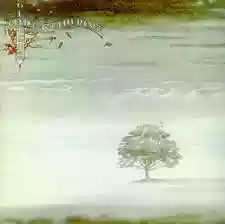
Months before the release of the latter, the album "Wind and Wuthering" was released. The title is inspired by Emily Bronte's novel, Wuthering Heights. It contains more catchy and pop-oriented sounds, but there's a strong presence of progressive rock. 1977 is the year of the advent of punk. This new movement will revolutionize the masses and change the way young people think. Despite everything, bands like Pink Floyd, Queen, and Genesis themselves are not swayed, and Wind and Wuthering is a clear example.
The album opens with Eleventh Earl of Mar, a long, predominantly progressive track, with many tempo changes and an epic introduction. The second track on the album follows in the footsteps of the previous one: very long, several tempo changes, and elaborate sounds. The lyrics tell the story of a person mocked by fate, as he becomes the god he did not believe in during the first part of the song, as Tony Banks, the band's keyboardist, will say. The third song on Side A is a piece that foreshadows the band's change in style: the piece features more pop sounds and the chorus is quite catchy. Wot Gorilla? is a three-minute instrumental that is followed by a six-minute piece, All in a Mouse's Night, with a progressive stamp. The lyrics talk about a cat frightened by a giant mouse: Tony calls it a sort of homage to the Tom & Jerry cartoon. Blood on the Rooftops is a beautiful piece where Steve Hackett's guitar prevails, especially in the beginning where the arpeggio introduces and accompanies Phil's voice. Two instrumentals follow, joined together in a small suite. The two titles combine to form the last sentence of Emily Bronte's novel, Wuthering Heights (as mentioned, the album title is also inspired by the novel). The album closes with Afterglow, a beautiful piece with a more pop stamp.
After the release of Seconds Out, a live album from the same year as Wind and Wuthering, 1977, Steve Hackett, the band's guitarist, left the group and started his solo career. Wind and Wuthering marks the end of the band's progressive period. Seconds Out will represent a farewell to the old times, featuring wonderful pieces from the Gabriel era such as Supper's Ready, The Cinema Show, Firth of Fifth, and The Lamb Lies Down on Broadway.
Loading comments slowly
Summary by Bot
Wind and Wuthering is Genesis' 1977 album inspired by Emily Bronte's Wuthering Heights, combining catchy pop touches with strong progressive rock roots. The album reflects the band's perseverance amidst punk's rise and marks the end of their classic prog era. Notable tracks include the epic 'Eleventh Earl of Mar' and the beautiful 'Blood on the Rooftops.' After this release, guitarist Steve Hackett left to pursue a solo career.Tracklist Lyrics Videos
Genesis
English rock band formed in 1967, celebrated for landmark early-1970s progressive albums (Foxtrot, Selling England by the Pound, The Lamb) and a later, more pop-oriented phase led commercially by Phil Collins.116 Reviews
Other reviews
By Grasshopper
"Two albums in the same year, a very rare event these days, and generally these are commercial endeavors... In 1976, Genesis still had such an excess of creativity..."
"Wind And Wuthering is a beautiful album, which from start to finish provides typically autumnal and twilight sensations."
By paolo1968
"Listening to it almost feels like watching the pale sunset descend on a man who has lost everything."
"This is a great album, played excellently by musicians who had reached full instrumental maturity."
