
 •
Rating:
•
Rating:
THE REVIEW
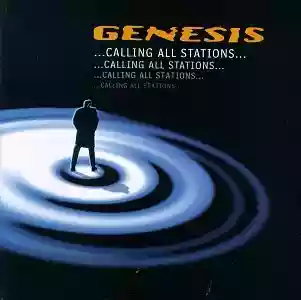
When in 1993 Phil Collins abandoned the decaying corpse that had for too long usurped the glorious name of Genesis, it was almost a common opinion that the grave was about to be sealed. However, the corpse became a zombie thanks to the black magic performed by the amusing duo Tony Banks-Mike Rutherford. The two recruited Ray Wilson (who is he?) for vocals and decided to release, in 1997, “Calling All Stations”, a terrible album that makes even “Abacab” seem like a masterpiece. The album, which is supposed to be a return to rock, but is actually a ridiculous mishmash of sounds that calling it poorly crafted pop would be a compliment, is comprised of 11 tracks, almost all written by Rutherford and Banks.
The first track is the title-track, which only manages to offer some good atmosphere here and there, but, like the entire album, generally serves as a lullaby. Continuing, we find the singles “Congo” and “Shipwrecked”; the former is truly awful, enriched (???) by African drums and ethnic chants that have no effect, while the latter is the only song that shows almost decency, while still remaining within the pop realm. “Alien Afternoon” is long, but not at all salvaged, and from here we jump to the last track (the only one almost worthy of further commentary besides the aforementioned), which lasts a full 8 minutes but proves to be decidedly dreadful, despite an almost semi-engaging ending.
In short, “Calling All Stations” is a tragic way to end the decades-long career of a group that, before contributing to its demise, has given much to progressive rock.
Loading comments slowly
Summary by Bot
After Phil Collins left Genesis, Tony Banks and Mike Rutherford recruited Ray Wilson and released 'Calling All Stations' in 1997. The album was intended as a return to rock but is deemed poorly crafted and disappointing. Few tracks show any merit, making it a tragic end to Genesis' decades-long career. The reviewer criticizes the songwriting and musical experimentation as ineffective and unfocused.Tracklist Lyrics Videos
Genesis
English rock band formed in 1967, celebrated for landmark early-1970s progressive albums (Foxtrot, Selling England by the Pound, The Lamb) and a later, more pop-oriented phase led commercially by Phil Collins.116 Reviews
Other reviews
By Vinsex
What do the two surviving gentlemen Banks and Rutherford do? The only sensible thing to do: retire after 20 years of abstinence, producing for the last time some badass music...
Our ears can hear, no longer the cries of the bald dwarf, but gloomy and refined atmospheres... halfway between Black Sabbath and Queen.
By London
"...Calling All Stations.. speaks of solitude, incommunicability, alienation, and among the group’s albums, it is the one where social themes are addressed the most close to the end of the twentieth century."
"The Dividing Line (one of the most beautiful tracks in their production) where for the first time in the group’s history there is an almost drum solo."
