
 •
Rating:
•
Rating:
THE REVIEW
Gary Numan was perhaps the one who best represented the "dandy" figure during the new-wave period.
Less genius and more commercial than John Foxx, Numan had the merit of quickly grasping the nascent trend of synthesizers in the pop realm.
After a brief experience with the Tubeway Army, he released two albums only six months apart that paved the way for a host of aspiring (non) musicians aiming for the climb up the charts and radio, namely "Replicas" and "The Pleasure Principle".
This last one is totally deprived of guitar sounds in favor of cold and robotic arrangements that musically encapsulated alienating texts recited with an unflappable voice. Thanks to a good taste for melody, Numan quickly became a star.
"Cars" jumped to number one on the British charts and stayed there for quite a while. The track is shrouded in a constant electronic mist, unfolding over a linear rhythm, accompanied by Numan's distant and heavily affected voice. The protagonist of the operation is, however, the synthesizer.
It is the synthesizer that cools all the tracks with icy blasts, as in the case of "Films", a monotonous carpet spread over the alienated recitation of the English dandy.
The second single, "Complex", is of the same fabric, adding just a pinch more romance, thanks to a rasping violin that caresses the synth's laments.
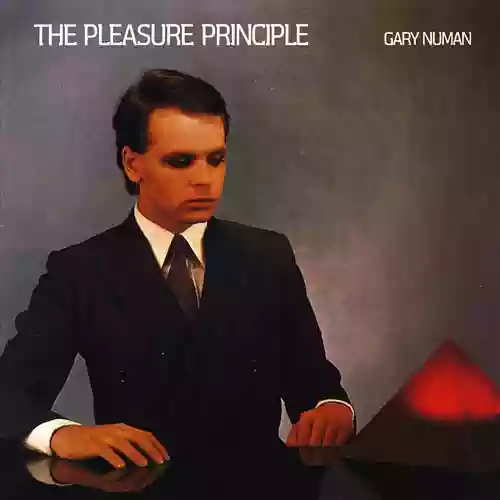
So, what decreed Numan's downfall, besides the fragility of his project, was his lack of romance. He was certainly shrewd, as he staged a whole range of attitudes and ideas, from androgynous make-up to the perfect futuristic dandy attire (with the cover as proof), which led him to win the favor of an audience that saw electronics escape from elite consumption and descend into pop territory. Moreover, he staged a sci-fi tour, the "Touring Principle", which took him around surrounded by laser beams, moving pyramids, dazzling lights, and smoke effects that were very advanced for the time.
From that tour comes "On Broadway", a bonus track included along with 6 others in the remastered Beggars Banquet edition, which perhaps represents the creative pinnacle of the album: the usual mechanical and monotonous rhythm preludes a suggestive synth solo, truly remarkable, that rises over a melancholic melody that accompanies the piece movingly up until the inevitable burst of final applause. Truly unforgettable.
In summary, an artistically honest work, a good album, an excellent testament to the atmosphere in which it was conceived, a product of the omnipresent Kraftwerk and the Berlin-era Bowie.
For fans of the genre, definitely a must-have.
Loading comments slowly
Summary by Bot
Gary Numan's The Pleasure Principle is a pioneering synth-pop album defined by cold, robotic synth sounds and alienated vocals. Its hit single 'Cars' reached number one on UK charts and remains iconic. The album’s futuristic aesthetic and innovative stage show helped bring electronic music to the mainstream. Though lacking romantic warmth, the record stands as an honest artistic statement influenced by Kraftwerk and Bowie. A must-have for fans of early electronic and new wave music.Tracklist Lyrics Videos
Gary Numan
English singer, songwriter, and electronic music pioneer. Broke out with Tubeway Army before solo success with the fully synth-driven The Pleasure Principle and the UK No.1 single Cars. Influential on synth-pop and later industrial-leaning records such as Sacrifice, Exile, and Pure.04 Reviews
