
 •
Rating:
•
Rating:
THE REVIEW
Francesco De Gregori is one of the best Italian singer-songwriters, the most authentic "native son", though not a mere clone, of Bob Dylan.
The core of his songs are the lyrics: hermetic, metaphorical, poetic. The music is almost always simple and primarily serves as an accompaniment to the singing. The artist's preferred instruments are the acoustic guitar, piano, and harmonica. De Gregori's voice, which is very distinctive and nasal, often interprets, more than sings, usually in falsetto.
De Gregori reached the peak of his poetry between the '70s and '80s, from the album "Alice" in 1973 to his biggest hit "La Donna Cannone" in 1983.
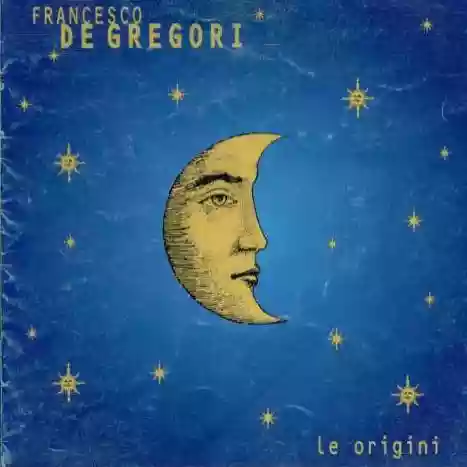
This collection, now out of print, includes almost all of his best compositions from this first decade.
It begins with the three most famous tracks: the poetic "La donna cannone", with a beautiful melody drawn on the piano, the poignant and disenchanted "Rimmel", possibly the artist's best composition, and the melancholic ballad-anthem "Generale", which opens with the evocative and unforgettable intro "Generale, dietro la collina/ ci sta la notte crucca ed assassina/..."
Other essential episodes in De Gregori's career are undoubtedly the wonderful piano ballad "La leva calcistica della classe '68", a metaphorical transposition of the defeat of the generation aspiring to revolution, the very sweet "Pezzi di vetro", the seemingly cheerful "Titanic", the poignant ode to freedom "Due zingari", the serene "Raggio di Sole", the martial "Viva l'Italia", and finally the Dylan-like "Buonanotte Fiorellino".
The collection closes with some lesser-known tracks, still never banal or negligible: the sweet and naive "Piccola Mela", the metaphorical "Quattro Cani", the sad "Festival", dedicated to Luigi Tenco, the melancholic "Natale", the more cheerful melodies of "Piano Bar" and "Renoir", the hermetic "Alice" and "Pablo", the jovial "Caterina", and finally the moving "I muscoli del capitano".
After this golden decade, De Gregori would progressively lose inspiration, giving rise to albums that are less and less successful, with few tracks that could be placed on the same level as his classics.
"Le origini" is, ultimately, an excellent collection of De Gregori's songs. The only missing gems, in my opinion, are "Niente da capire", "Atlantide", and "Ma come fanno i marinai", composed and sung with his friend Lucio Dalla.
In an ideal songbook of the entire career of the Roman artist, I would also include the more recent "Il bandito e il campione", "La storia", "Adelante! Adelante!", "Bellamore", "Stella della strada" and "Cose".
Loading comments slowly
Summary by Bot
Le Origini is a compelling collection of Francesco De Gregori's best work from the 1970s and 80s, showcasing his poetic lyrics and distinctive voice. The album highlights essential tracks like 'La Donna Cannone,' 'Rimmel,' and 'Generale.' His simple musical arrangements emphasize the depth of his songwriting. Though later works saw diminishing inspiration, this collection remains a definitive listen for fans and newcomers alike. A few notable songs are missing, but overall, it's an excellent overview of his golden decade.Tracklist Lyrics
Francesco De Gregori
Francesco De Gregori (born 1951, Rome) is an Italian singer-songwriter known for poetic, often hermetic lyrics and a refined blend of folk and rock. He broke through with Rimmel (1975), expanded his scope with Bufalo Bill (1976), and delivered the landmark Titanic (1982). Signature songs include La donna cannone, Generale, La storia, and La leva calcistica della classe ’68.66 Reviews
