 •
Rating:
•
Rating:
THE REVIEW
Dave Grohl has described the new, ninth studio album of his Foo Fighters as “Motorhead doing Sgt. Pepper.”
Whether this definition is fitting or not (undoubtedly, if the reference is to certain melodic harmonies intertwined with a fine taste for decisive guitar riffs, it is), one should start questioning the Foo Fighters phenomenon. A band associated with a genre of music that is slowly and inexorably disappearing from world charts not only shows no signs of wavering but enjoys ever-growing commercial success.
And the music? The music is there as well. Granted, Grohl and company are certainly not sound innovators (quite the opposite), if you approach it with the mindset of enjoying a good half-hour of excellent FM rock, there's a lot of substance here, and it's quite good.
It's already commendable to have the courage to present the album with a challenging single like “Run,” a beautiful track that, after a false start as a dreamy ballad, launches into a whirlwind of riffs effortlessly moving from alt-rock to metal, all supporting a fierce vocal performance by Grohl. The same structure, albeit condensed in just over a minute, is in the intro “T-Shirt,” which after a mellifluous and subdued start (reminiscent of that little gem “Doll”) throws in a Queen-like guitar riff and takes the piece in a different direction, abruptly ending it before flowing into the aforementioned single.
“Make It Right,” with the curious participation of Justin Timberlake on backing vocals, is the track that most fits Grohl's description of the album and convinces. The second single “The Sky Is A Neighborhood” is not melodically exceptional, and perhaps the frontman's vocal interpretation is too shouted, but it's listenable. Meanwhile, the other major collaboration, Sir Paul McCartney on drums, is for “Sunday Rain,” a beautiful track interpreted by drummer Taylor Hawkins, increasingly at ease as the band's “second frontman.”
Elsewhere, there's a lively, abrasive, and direct “La Dee Da,” in the perfect early Queens Of The Stone Age style (especially the bass part) and “Dirty Water,” which starts subdued and melodic (like certain tracks from “There Is Nothing Left To Lose,” for example, “Ain’t It The Life”) before growing and exploding into an electric and pounding finale. Not bad is also “Arrows,” one of the typically Fighters' tracks of the work.
“Happy Ever After (Zero Hour)” is the real gem of the album, a quiet and Beatles-esque number that seems like it came from a late sixties record. Grohl's growth in songwriting is also remarkable, increasingly eclectic and less predictable, and the production by Greg Kurstin (member of The Bird And The Bee, already worked with Adele and Liam Gallagher) is excellent.
Closing are “The Line,” a promotional track that sounds like early Coldplay energized and invigorated, and the title track's closure between calm and storm.
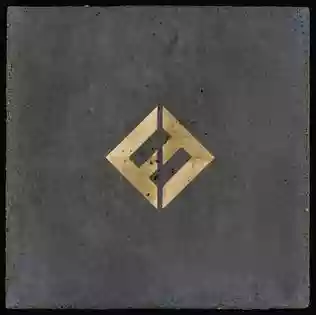
“Concrete And Gold” is ultimately an excellent album, further confirmation of the growth and maturation of the Foo Fighters as a band.
Best track: “Happy Ever After (Zero Hour)”
Loading comments slowly
Summary by Bot
Foo Fighters' ninth studio album Concrete and Gold showcases a mature blend of melodic harmonies and powerful riffs. With standout collaborations from Justin Timberlake and Paul McCartney, the album balances alt-rock and metal influences. Highlights include the dynamic single 'Run' and the Beatles-esque 'Happy Ever After (Zero Hour).' Produced by Greg Kurstin, the album confirms the band's continuing musical growth and commercial success.Tracklist
Foo Fighters
American rock band formed by Dave Grohl in 1994 after his time in Nirvana; known for blending alternative rock and post-grunge and for large-scale live shows.32 Reviews
Other reviews
By Seamus1804
When they nail a great song, where power and melody perfectly merge to create modern 'anthems', there's no one that can match them.
Decent but forgettable. Dispensable.
