
 •
Rating:
•
Rating:
THE REVIEW
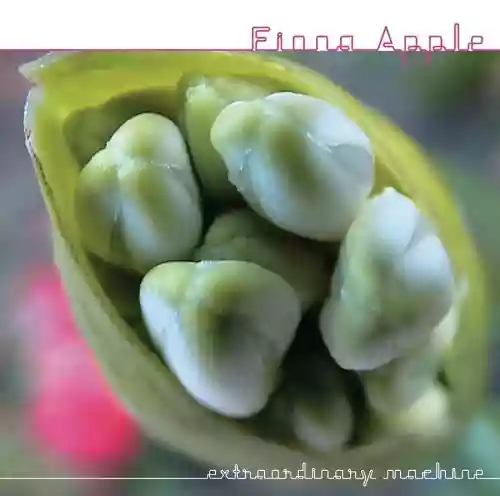
Fiona Apple, five years after the previous "When The Pawn," was almost involuntarily involved in a curious controversy with her record label for her return to the scene; Sony, in fact, allegedly forced the young American artist to rewrite the new album, having deemed it not very "appealing" in its initial form. The news (confirmed by the leaks of the entire album that ended up on the web in early 2005) somehow reached some fans who immediately launched an online petition to force Sony to release Apple's third album. The most interesting aspect of the story remains Fiona's complete detachment from the protests made in her name; it was indeed she who decided, without any apparent external pressure, to set aside the work done with her longtime producer Jon Brion to enlist the services of Mike Elizondo, who had until then been spotted in the studios of rappers like Eminem or 50 Cent.
The twelve songs of "Extraordinary Machine," apart from the first and last tracks that remained faithful to the original draft (Jon Brion's, to be clear), present us with a Fiona Apple in great shape. The inseparable piano that has accompanied her since her debut ("Tidal," 1996) still plays a leading role, but compared to her beginnings, the style of the work decidedly refers to the second album "When The Pawn." The rich orchestrations, unlike in the past, do not, however, stifle the urgency that emerges from the lyrics of an artist who is now mature.
The breakup with partner Paul Thomas Anderson – the cult director of films like Magnolia and Boogie Nights – evidently helped Fiona in giving songs like "Get Him Back," "Better Version Of Me," "Please Please Please," and "Not About Love" a cathartic value of undeniable effectiveness.
Loading comments slowly
Summary by Bot
Fiona Apple's third album, Extraordinary Machine, faced record label challenges before its release, leading to a new production approach. The album features rich orchestrations combined with urgent piano that highlights her mature songwriting. Personal growth and a recent breakup infuse the tracks with emotional intensity. Despite initial label doubts, the album solidifies Apple's artistic evolution and resilience.Tracklist Lyrics Videos
Fiona Apple
Fiona Apple is an American singer-songwriter and pianist from New York City. Across five studio albums, she’s known for uncompromising, piano-led songwriting, elastic vocals, and inventive rhythms that push art-pop into raw, personal territory.09 Reviews
