
 •
Rating:
•
Rating:
THE REVIEW
As promised to my splendid girlfriend, here I am trying to review the latest effort by Fall Out Boy. And who might they be, you might be wondering? A more than legitimate question that I asked myself when I heard them mentioned in the TV show "One Tree Hill." Well, they are an emo punk-pop band born from the suburbs of Chicago and authors of a major debut (and what a major, considering it's Island) as the next big-thing with their "From Under The Cork Tree" of 2005. Initially met with some skepticism by yours truly, a lover of the Clash and the 90s Californian new punk, they managed to make me change my mind rather quickly.
The quartet, classic in its setup of lead guitar-rhythm guitar-bass-drums, musically closely resembles Bad Religion and Offspring (fortunately they are much more similar to the former...) and consists of Patrick Stump on vocals and guitar (a tuned voice, but perhaps a bit too self-satisfied), Peter Wentz (lyricist, model for Rolling Stone and actor) on bass, Joe Trohman on lead Gibson, and Andrew Hurley on drums. This last member is perhaps the most interesting of the entire lineup, as he is very skilled in rhythm changes and has such power as to make Dave Lombardo of Slayer envious. The lineup, not exactly orthodox by punk standards, has cost the group significant hostility in underground circles that have often considered them, not always unjustly, as tattooed Backstreet Boys...
But this album, you might ask, what’s it like? Here’s my answer. Mixing Sum 41, Bad Religion, and Green Day, "our guys" seek to carve out a space for themselves quite easily by offering songs sung (sorry for the repetition) with Billie Joe Armstrong's accent and tone, explosively fast bass lines similar to those proposed in "Mr. Lavigne's" group's songs (eh! eh!) and technically impeccable guitars, especially in string recalls and crossings, although the suspicion of overdubbing looms ominous and unsettling (could this be why they haven’t released a proper live album yet?). The tracks are all characterized by the cliché of a slow intro, subdued voice, pulsating bass entry, and a mega wave of watts and power with galloping drums and guitar. The first three songs deserve a mention: "Thriller" (great entry of drums and bass and a chorus that gets stuck in your head, with a spoken intro by Jay-Z), "The Take Over, The Breaks Over" (a great funky rhythm à la Flea&Frusciante), and the hit single "This Ain't a Scene, It's An Arms Race" (slow start, title repeated like a mantra, and then a dizzying descent on Trohman's seven strings). The other eleven tracks are classic pop-punk with the exception of the gospel incursion in "Hum Hallelujah", but all are worthy of attention even from snobs like us nostalgic for punk 1977.
All in all, it’s not an album that will change anyone's life, but it will certainly please everyone to launch into a wild moshpit following the strong melodies and precise and fresh rhythms of the American band. The only downside, besides the age-old repetitiveness of this testosterone-laden genre, is the overly long titles that don’t lend themselves to being remembered, so here’s an appeal to Mr. Wentz: in your opinion, why do Pearl Jam, Clash, and Green Day rely on titles of no more than five words? Think about it... in the meantime, we'll listen to this nice album.
Loading comments slowly
Summary by Bot
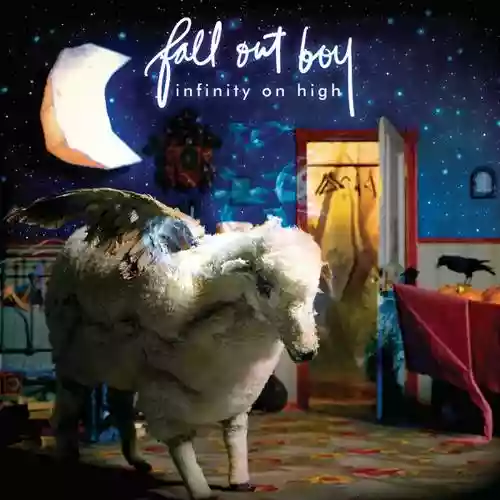
This review appreciates Fall Out Boy's 2007 album Infinity On High for its blend of pop-punk energy and technical skill. The band is noted for strong rhythms, catchy choruses, and instrumental expertise, particularly in drums and guitars. While not revolutionary, the album offers solid tracks that can engage listeners and fans of the genre. The reviewer points out long song titles as a minor downside but overall recommends the album as a fun, well-produced record.Tracklist Lyrics Videos
04 I'm Like a Lawyer With the Way I'm Always Trying to Get You Off (Me + You) (03:31)
08 Don't You Know Who I Think I Am? (02:51)
09 The (After) Life of the Party (03:21)
10 The Carpal Tunnel of Love (03:23)
13 You're Crashing, but You're No Wave (03:42)
14 I've Got All This Ringing in My Ears and None on My Fingers (04:06)
Fall Out Boy
Fall Out Boy are an American rock band formed in 2001 in the Chicago area (Wilmette, Illinois). The core lineup is Patrick Stump, Pete Wentz, Joe Trohman, and Andy Hurley. They broke through with From Under the Cork Tree (2005), expanded their sound on Infinity on High (2007) and Folie à Deux (2008), took a hiatus (2009–2013), and returned with Save Rock and Roll (2013), later scoring major hits such as Centuries and Uma Thurman.05 Reviews
Other reviews
By Divodark
If you’re looking for something original or heavy, don’t look for it in this band with such a 'damned' name.
The album’s title is taken from a letter written by Vincent van Gogh to his brother Theo describing his recovered health and renewed creative vigor.
