
 •
Rating:
•
Rating:
THE REVIEW
I enter the record store, it's closing time, I have to hurry. Hey, isn't that "Liege & Lief"? I've heard about it... Taken.
Here I am, the next morning, a torrential rain, as I head to school. I put on my headphones and I'm deciding which album to listen to. Oh look, the Fairport... I didn't have time to listen to them the day before. Play. Immediately the driving rhythm of "Come All Ye" makes me tap my foot... Acoustic guitar, good drums, good rhythm... But what's that I hear in the background, a bow? Great start. Then I continue, one song after another, steady rhythm, sweet melodies, a Byrds-style folk-rock but more refined, less blues, and more psychedelic, Jefferson Airplane style; indeed, Sandy Denny, with her honeyed voice, reminds me a lot of Grace Slick.
So, as the tram smoothly glides over the wet tracks, that such "rusty" but equally sweet violin vibrates and accompanies the following songs, accompanied by a rhythm guitar with a capital R: each song, each note, each word, exudes emotions, music in its raw state, the instruments seem to be commanded by the heart of each member of the band. Thus, through the sweet "Farewell, Farewell", the lively "Matty Groves" and the magical "Deserter", I reach the "Medley" with its unheard-of power... A tornado of strings, rhythm guitar, drums, metronome-bass... The triumph of traditional British folk music, played following one's instincts. "Tam Lin" follows the Jefferson Airplane style, acid melody, psychedelia. The last track "Crazy Man Michael", is poetic, baroque, perhaps the most poignant of the album, a piece that could have been written on the shores of a lake, under the shade of a tree.
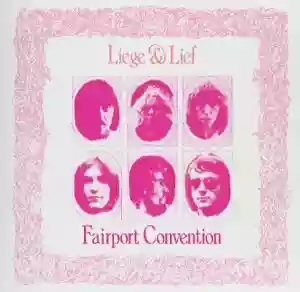
"Liege & Lief" may be Jefferson Airplane converted to folk, but it is certainly one of the most important rock records, for the style of the music, the style in which it was played, composed and sung. "Liege & Lief" is found in many Italian pop albums (Nomadi, for example) or in the British folk-rock of the '70s, in most modern folk-rock but, above all, once listened to, it becomes part of our Moral Encyclopedia of Rock. And so, when the tram finished its journey, I was already ready to start again from the "Medley".
Loading comments slowly
Summary by Bot
The review celebrates Fairport Convention's album Liege & Lief as a seminal folk-rock masterpiece blending British traditional music with psychedelic elements. The album is praised for its heartfelt instrumentation and Sandy Denny’s evocative vocals. Memorable tracks like "Medley" and "Crazy Man Michael" exemplify its timeless appeal. The reviewer regards it as an essential milestone in rock history and folk music evolution.Tracklist Lyrics Videos
05 The Deserter / Medley: The Lark in the Morning / Rakish Paddy / Foxhunter's Jig / Toss the Feathers (08:31)
Fairport Convention
Fairport Convention are an English folk rock band formed in London in 1967. Pioneers of British folk rock, they fused traditional songs with electric arrangements; the landmark album Liege & Lief (1969) is widely cited as a cornerstone of the genre. Key figures include Sandy Denny, Richard Thompson, Dave Swarbrick, Simon Nicol, and Ashley Hutchings.09 Reviews
