
 •
Rating:
•
Rating:
THE REVIEW
Exodus have never hidden their admiration for AC/DC.
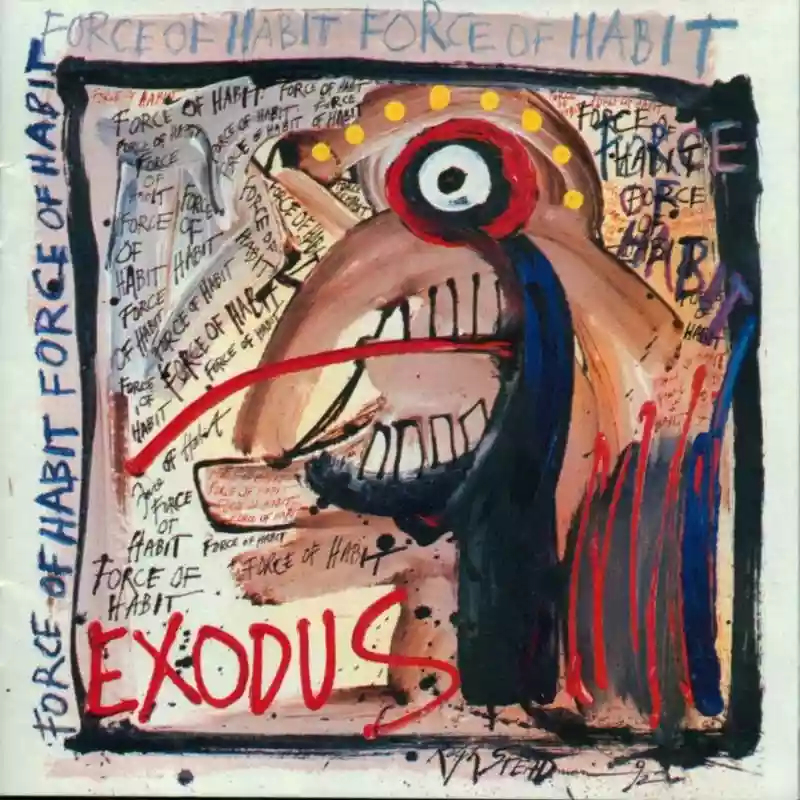
"Force Of Habit" is a further homage to the five Australians (already covered with "Overdose" and "Dirty Deeds Done Dirt Cheap"), which solemnly seals the musical youth of Exodus, with the two axes Gary Holt and Rick Hunolt as the only survivors of the line-up that gave birth to "Bonded By Blood," accompanied by Steve "Zetro" Sousa on vocals, Mike Butler on bass (replacing the original bass player Rob McKillop), and drummer John Tempesta, never fully accepted by fans who long for Tom Hunting's dynamism behind the drums.
In 1992 this album blossoms, the last healthy beach granted by Capitol Records, after the flop of "Impact Is Imminent," guilty of professionalism, uninspired boredom, and ordinary drumming, with the partial benefit of good guitar solos that hold up the structure. Here they are in the studio, hopeful, along with the talented Chris "Painkiller" Tsangarides producer of Judas Priest (he was already involved in 1976 with "Sad Wings Of Destiny").
"Force Of Habit" is the most powerful album produced so far, with a compact sound, thrash truck coming from the highways, Scania and Volvo engines at idle, slowed riffs "She's Got Balls" with invigorating groove, a magical, special word that was strangely not included in the Arecibo message, a shady tactical verbal ointment used to identify an unhealthy digestion of pressed and aged riffs, passing the '70s with hard rock, crossing the '80s metal, and reaching, after a hallucinatory journey in forgetful ears, this record with its horrible cover and unfulfilled compositional promises.
The opener "Thorn In My Side" is ideal to launch it all, a metallic frisbee with a riff as heavy as osmium, a drunken projectile motion that ends up tired on our ears thanks to Zetro, but not thanks to the standard solo that forces us to quickly press FF, going through the beautiful and noisy "Me Myself And I" (but the eponymous track by Joan Armatrading would have been suited for a more boisterous reinterpretation), to the slow and inexorable title track, with apathetic pacing. "Bitch" is the Rolling Stones cover that no one expects, faithful to the ancient mold, but in aggressive clothes. And we know very well that the album will continue at this pace, like a kind of brontosaurus full of weeds that it can't digest. "Fabulous Disaster" is already far away. Thirteen tracks are an exhaustion, a very greasy maypole, overloaded with two more bonus tracks in the Japanese version, namely "Crawl Before You Walk" and "Telepathetic" (the latter, however, beautified by splendid answer-and-response solos), which prevent the listener from climbing high with imagination, with the creation of images, as they might be enlivened by a "Disposable Heroes." Yet Exodus do not aim for this but serve hot themes on the plate, and then listening becomes more interesting with some artillery pieces like the excellent and evocative "Fuel For Fire," addressing the issue of the Gulf War:
"The blood will flow - in the sandy desert / killing people - barbaric land / A war for peace - I understand / Get the fuel - the master plan / The blood will flow - in the sandy desert / Killing people - barbaric land / A war for peace - I understand / Get the fuel - the master plan.."
Room for speed in "Count Your Blessings," where Tempesta finally stands out with good drumming, unlike "One Foot In The Grave," a funeral march with no doom pretense but also a sincere denunciation against drugs, a scourge experienced on their skin, which they will recall also in the era of "Tempo Of The Damned." Elvis Costello's cover "Pump It Up" is one of the best surprises of the album, not even comparable to the original, despite managing to fix its musical coordinates, its simple and straightforward rock aura. Bizarre text in "Feeding Time At The Zoo," a portrait of beasts and men blending without solution of continuity, where sad leopardian thoughts gather in "Good Day To Die," a ruthless analysis of a suicide, its condemnation by the band, a clear stance, an invitation to renunciation:
"Are you afraid of the world around you, are you afraid of what might be? / Think of those who love you / all the things you will never see / Out of control like a galloping train / desperate until the end all its pain / You’ve gotta understand there’s no better plan but to open your eyes..."
The notes flow oppressingly, the rhythm is slow, neurotic, almost a continuous self-laceration and questioning, without accelerating. Thrash decomposes, flops to a mere doormat, becomes a simple means. The flamboyant hardcore disappears but the power emerges, limping perhaps, but always ready to restart, as do Holt and Hunolt's solos, engaging but never over the top, sometimes full of sadness ("Fuel For Fire") or sharp and concise, protagonists of novelties, along with an overflowing Steve Sousa of energy. Paradoxically, it is the band's most thrash album, if by this term we mean raw sound, thought-provoking lyrics, speed (which is absent here) to meditate on our daily vicissitudes, amidst walls of trucks, mocking traffic, accelerated sweating, queues at counters, fishing trip parking, files from desire called, fines with a smile on their lips. And amid it all, the music flows violently from the car radio, in the lyrics as in the rhythmic texture, now as nervous as we are. The compositional variety combined with the power that had brought "Fabulous Disaster" into the thrash metal Olympus is lost forever.
"Force Of Habit" seems like an unfinished work, almost forced, the least loved by Gary Holt. Today we would prefer it with 4 or 5 fewer tracks, with some acoustic interludes, some varied sonic scenario to reinforce the suggestions of the lyrics. After this album, there are 5 years of regrets before the reunion with the original singer Paul Baloff, which will produce the good live "Another Lesson In Violence." Another lesson in nostalgia.
Loading comments slowly
Summary by Bot
Exodus' 1992 album Force Of Habit is a tribute to their thrash roots fused with classic hard rock influences like AC/DC. It showcases strong guitar work but suffers from pacing and compositional inconsistencies. Despite some standout tracks and thoughtful lyrics on issues such as war and addiction, its overall reception was mixed, with fans missing the original drummer's energy. The album reflects a transitional and somewhat unfinished phase in Exodus' career.Tracklist Lyrics Videos
Exodus
Exodus are an American thrash metal band from the San Francisco Bay Area, formed in 1980. They are widely associated with the early Bay Area thrash scene and are often noted for the presence of Kirk Hammett in their early lineup before he joined Metallica.18 Reviews
