
 •
Rating:
•
Rating:
THE REVIEW
Recycling n. [derived from riciclare, following the model of the Fr. recyclage]. - 1. In technical terms, less commonly used than riciclo. 2. broad. and fig. The action of reintroducing into circulation, reusing materials, products, values: recycling of waste; recycling of water, the operation of recovering and purifying it for reuse; recycling of petrodollars, the employment of large dollar deposits created, in European and North American banks (especially in the second half of the 1970s), by oil-exporting countries, which exceeded the value of goods and services that these countries were able to import; money laundering, a journalistic term indicating the use in various investments of money derived from criminal activities (drug trafficking, kidnappings, etc.) or also its conversion into other currencies to avoid recognition. For other figurative uses, see RECYCLE.
(Vocabulary of the Italian Language, Institute of the Italian Encyclopedia, Giovanni Treccani)
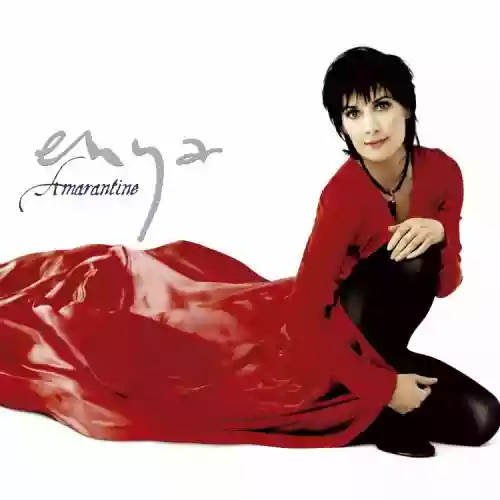
Therefore, from the previous definition, it can be deduced that the term "recycling" does not necessarily have to be attributed, as often happens, a negative meaning. Thus excluding the journalistic context to which this term owes one of its meanings, we associate "recycling" with the idea of transforming worn material into useful material, the transition of glass into new glass, of the existed into existent. Enya, five years after the previous "A Day Without Rain", collects the broken glass from the Bohemian set of "Watermark" and "Shepherd Moons" and transforms them into the glasses of the comfortable tea service of "Amarantine", less rich and noble art but still fundamentally valid and effective.
Thus, easy to say, the title track is a revisiting at a more upbeat rhythm of the hit "Only Time" from five years earlier, "Amid The Falling Snow" retraces the tracks of the older "China Roses" from "The Memory Of Trees" of '95, "If I Could Be Where You Are" even reaches back to the grandeur of "Evening Falls" from "Watermark" of 1989.
The "recycling" also identifies, incredibly to say, in thematic issues: the "Long Long Journey" is the same as in "Book Of Days" of the enlightened "Shepherd Moons" more than a decade earlier, while one of the happiest episodes of the album, that "The River Sings" which already musically draws due comparison with "Ebudae" from a few years earlier, continues the discourse already started with "River" of the already mentioned "Watermark". To conclude, "Someone Said Goodbye" is almost an exact repetition of "One By One" from a few years earlier.
So, excluding some more original episodes like "Sumiregusa" and "Drifting", "Amarantine" is a fine product of recycling. Already familiar to connoisseurs of the genre, pleasant as a Fernet to those approaching the artist for the first time.
Recycled, to be sure, but sounds good.
Loading comments slowly
Summary by Bot
Amarantine revisits and transforms earlier Enya melodies and themes into a softer, less original but still effective album. Several tracks echo her previous hits, making it familiar to fans and accessible to new listeners. Although some new material stands out, the album is mainly a careful recycling of past successes. Ultimately, it's a pleasant listen but not groundbreaking.Tracklist Lyrics Videos
Enya
Enya is an Irish singer, composer and musician known for multi-tracked vocals, lush synthesizer textures and Celtic-influenced melodies. After early work with Clannad, she launched a solo career with Enya/The Celts and broke through worldwide with Watermark (1988) and the hit Orinoco Flow. She has since released best-selling albums and the song May It Be for The Lord of the Rings.08 Reviews
Other reviews
By The Punisher1
Enya's strategy: listen to me, you’ll be calm, I won’t shake you, no jolts, no minor chords, no drum rolls.
An insipid and downright sticky album due to how much molasses oozes from every track.
