
 •
Rating:
•
Rating:
THE REVIEW
Mirror, indulge, enjoy. A vanity exercise not to be taken lightly. Michael Cretu, the mind, limbs, and timeless fluid of the Enigma project is a 5-star master in this sense.
For example: the Pandora's box was opened with the debut album, the multi-gold "MCMXC" (1990). From then on, Cretu revived the project from work to work, echoing the past: not self-plagiarizing, mind you. Rather, as mentioned above, indulging himself. The tribal rhythms might change, perhaps the singers' intonation: not the ambient context. That is to say, whispers, flatteries, breaths, Gregorian chants even in reversal mode, with relentless rhythms interspersed with litanies.
Life, death, and miracles of the Enigma project.
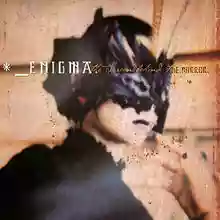
It has always shone with its own light and continues to do so even in this fourth episode, "The Screen Behind The Mirror" (2000). The Allmusic reviewer got it right at the time. He said: “Oh dear, there is no growth, no. But the work is pleasant, solid, and will not disappoint the fans.” True.
‘Enigma 4’ relies on certainties acquired in the previous three experiences. Trusted vocalists, including the ex-wife Sandra (at the time not yet an ex editor's note), Ruth-Anne Boyle, and loyal Andru Donalds; Jen Gads occasionally on electric guitar.
Acting as breakwaters, trying to color and elevate the level of performance, the "Carmina Burana" which, like it or not, drags on for almost the entire duration of the record.
Compared to its predecessor, “Le Roi Est Mort…….Vive Le Roi!” (1996), this work starts with a more upbeat rhythm. Once the listener is secured with the customary intro represented by the Enigma Horns, “Push The Limits” sets the familiar rhythm which, at the same time, makes you tap your foot while leading you into introspection. The first single released, the slow “Gravity Of Love,” bridges with one of the highest points of the album, “Smell Of Desire,” which reprises part of the spoken word from “Mea Culpa” and a reverse-Gregorian of “Sadness (reprise).” The perfect summary, in short, of what was explained in the introduction: looking forward without disentangling from the past.
Not convincing is the emphasis put on “Modern Crusaders” (back with the Carmina Burana, for those who missed it), while the triptych “Traces” (a melancholic slow track of tribal origin) – the title track (also known as "The Experience") – “Endless Quest” is an excellent omen.
“Camera Obscura” enjoys reversing “Modern Crusaders” without, needless to say, failing to reprise guess what? Exactly. Poor Carl Orff must be either turning over in his grave or feeling flattered.
The closure is varied, with the meditative “Between Mind & Heart” and the driving “Silence Must Be Heard.”
In short: nothing new on the horizon. Although, it must be said, the finished product is reassuring, of quality, excellently arranged and equipped. The last effort made in the "ART Studio" of Ibiza, which will later be replaced by “Alchemist” and “Merlin.” Because, let it be known, Cretu is restless when it comes to experimentation and, once a studio is consumed, he demolishes it (I swear) and creates a more cutting-edge one. So it goes. “Screen” is an album of absolute transition, with “Voyager” (2003) partial innovations will come, rejected by the fans, but the project will be lost in too many veils and small veils whereas, this fourth episode, paves the way for Enigma keeping them on course, heads held high, chest puffed, and mind in perpetual introspection.
Loading comments slowly
Summary by Bot
Enigma's fourth album, The Screen Behind the Mirror, continues the project's signature blend of ambient sounds, tribal rhythms, and Gregorian chants. Michael Cretu masterfully builds on previous works without stagnation. Although not groundbreaking, the album offers a reassuring quality and introspective atmosphere. Highlights include tracks like Gravity Of Love and Smell Of Desire, with notable use of Carmina Burana throughout. This album marks a transitional phase while maintaining Enigma's unique identity.Tracklist Lyrics
Enigma
Enigma is a German musical project created and led by Michael Cretu, known for fusing electronic, ambient, and new age textures with worldbeat elements and choral/chant samples. The project achieved global success with Sadeness (Part I) and Return to Innocence and has remained active since 1990.04 Reviews
