
 •
Rating:
•
Rating:
THE REVIEW
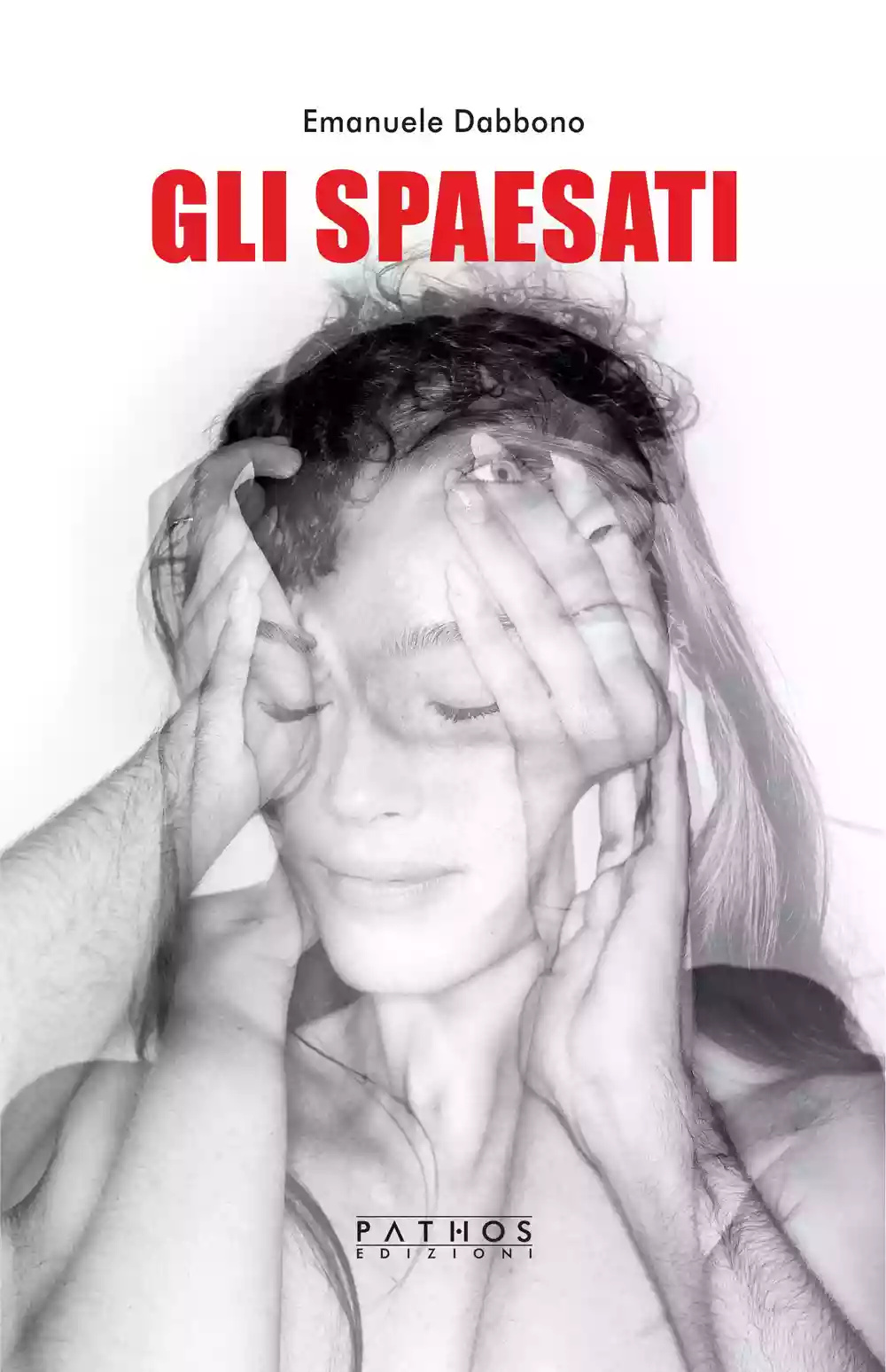
Emanuele Dabbono's debut novel as a writer is a delightful incursion into the world of mental asylums before the Basaglia Law came into effect. It’s an exploration carried out with both mind and heart, without yielding to facile pathos or moralistic and sociopolitical rhetoric. The story narrated by the celebrated singer-songwriter is made up of real characters, real situations, of life truly lived between tears and laughter—experiences not so different from those of people who have never set foot in an asylum.
Dabbono is, above all, a multi-award-winning lyricist. He has penned famous and “platinum” lyrics for Tiziano Ferro, Giorgia, and many others. Whether you like his poetic vein or not, he’s someone who knows how to write. This talent does not falter in prose, though it is immediately apparent that he is a songwriter at heart.
Gli spaesati is a story set at the end of 1977, just before Christmas, inside the Pratozanino asylum in Genoa. A band of more or less disoriented (or perhaps more or less grounded) inmates plan an escape right under the nose of the strict—but fair—head doctor Curz, and, above all, the devious and slippery psychiatrist Briggi, nicknamed Nibbio. Led by Ramon, a picaresque character who becomes instantly likeable, this group of lost souls tries to assess every possible strategy while continuing to wait for Christmas and the snow, and confronting the myriad pitfalls of a community held together by written and unwritten rules that are difficult to evade.
The fluid tone of the narration, together with the author’s capacity to enrich many passages with lyrical nuances, makes the novel gripping, at times hilarious, and definitely well anchored in a realistic setting that embraces an almost surreal story. Apart from the opening, which is crowded with names and faces and requires some attention to peer into the wards of Pratozanino, the reading flows easily. The cast of characters Dabbono invents is varied and captivating, the antagonists play their roles well, and the clinical aspect of the events never feels disruptive or opportunistic. You can tell the author has thoroughly researched the environment in which the story unfolds. And he knows how to handle the subject delicately, without forgoing strong doses of satire and humor.
The final part is worthy of a Coen brothers film, and that alone is enough to have you finish the adventure of the spaesati with a satisfied smile and a touch of melancholy.
Loading comments slowly
Summary by Bot
The review evaluates Emanuele Dabbono's book 'Gli spaesati,' offering a balanced perspective. It rates the book 3 out of 5, suggesting it is a decent but not outstanding read. The analysis touches on the themes and Dabbono's narrative approach. Readers are guided to decide if this book fits their tastes. The review remains neutral in its overall assessment.
Emanuele Dabbono
Italian singer-songwriter and lyricist, described in the review as a multi-award-winning writer of “platinum” lyrics; author of the novel “Gli spaesati”.01 Reviews
