
 •
Rating:
•
Rating:
THE REVIEW
Among many groups caught up in icy electronic experiments or forceful forays into the most intense funk, Echo & The Bunnymen from Liverpool represented the more melodic wing, with a glance toward the past, particularly toward the softer psychedelia. Of course, everything was updated to the spirit of new-wave, always pervaded by a subtle thread of tension.
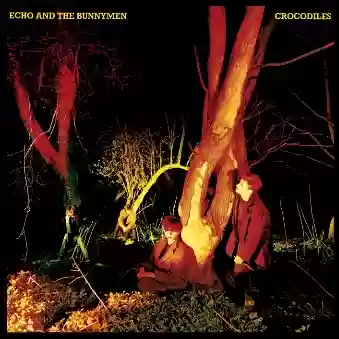
Crocodiles, dated 1980 (produced by Ian Broudie and the legendary Chameleons), launched them among the up-and-coming bands in great style, immediately defining their personality. A well-matched mix of old and new stylistic elements, certainly a ray of light in the claustrophobic climate of the period. Ascending and "drugged" guitars, rhythm always quite inconstant, and a slightly neurotic autistic singing style, in line with the trends of the time.
It starts immediately with a "Going Up", amidst epic echoes of guitars and fierce drum beats. Right after, clusters of minor notes begin to rain, introduction and "Stars Are Stars", where the guitars always take center stage. They are the true protagonists of the record, now sparkling now liquid, undisputed creators of the overall atmosphere of the compositions.
The powerful intro of "Pride" gives the bass a leading role, always accompanied by cheeky guitars. The structure of the song is more complex than usual, and it unfolds through a continuous alternation of forceful drum rolls and enigmatic xylophone hits.
The nervousness of the title track shows closer ties to Adrian Borland's Sound, while the weeping piano notes of the equally restless "Villiers Terrace" bring a breath of melancholy to the overall picture of the album.
"Pictures On My Wall" is an epic and crepuscular anthem driven by a pressing rhythm and unsettling layers of keyboards, reminiscent of the less desperate Chameleons.
The album closes with the psychedelic raga nightmare of "Happy Death Men", amidst violent dull blows of tribal bass drum, reverberations of keyboards and guitars, and a hypnotic tambourine. The progression becomes increasingly stormy, culminating in the finale in an instrumental orgy of great effect, the farewell of a fresh record, not particularly innovative, but undoubtedly an excellent representative of the "revival-sound" trend in the new-wave era.
Loading comments slowly
Summary by Bot
Echo and The Bunnymen's 1980 debut album Crocodiles presents a melodic new-wave sound fused with softer psychedelia and a subtle tension. Produced by Ian Broudie and the Chameleons, it balances old and new styles. Key highlights include guitar-driven tracks and complex rhythms, creating an evocative atmosphere. While not groundbreaking, the album stands out as a strong representative of the era’s revival sound.Tracklist Lyrics Videos
Echo & The Bunnymen
British post-punk band formed in Liverpool in 1978 by Ian McCulloch, Will Sergeant, and Les Pattinson; drummer Pete de Freitas soon completed the classic lineup. Known for moody, melodic songs and orchestral textures, they achieved acclaim with Ocean Rain (1984) and singles like The Killing Moon and Lips Like Sugar.08 Reviews
