
 •
Rating:
•
Rating:
THE REVIEW
Despite what the critics say, the hardest part of this album is overcoming the shock provoked by the sight of the group's photo, which looks like it came straight out of an Iron Maiden nightmare, Powerslave-era, of course. Those mustaches that adorn the faces of 3/5 of the band would have made even the biggest Freddy Mercury fan pale.
East Of Eden have the great historical merit of realizing that the wind was changing, so much so that they recorded their debut back in 1969, for the legendary Deram.
As with other pioneering works, this "Mercator Projected" shows some wrinkles today, which probably the divas' makeup artist could hide, but certainly not the 2004 remastering by the careful Electric Disc, of which I prefer to remember the intelligent recovery as bonus track of the Byrds-flavored "Eight Miles High".
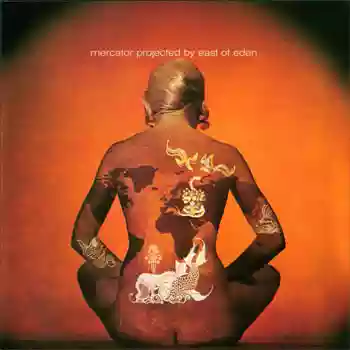
An album with two sides, undecided between commercial temptations, oriental influences, and free-jazz experimentation, it is definitely inferior to the subsequent and more courageous "Snafu" which remains the best way to get to know them. In this CD, however, there is sometimes the feeling that East Of Eden are the poor relatives of the Moody Blues or, when it goes well, of King Crimson (in the late-psychedelic "Waterways").
Things decidedly improve when the flair of Dave Arbus prevails, violinist and true engine of the group, as in "Isadora", where the more dreamy King Crimson of the first two albums meets a melody snatched from an Arab radio. Or when, in "Century Woman", the blues is just a pretext to develop jazz breaks and folk ideas, as if Colosseum were jamming with Jethro Tull.
More blues in "Northern Hemisphere", filtered through the acidic lens of Arthur Brown, if you can imagine, while "In The Stable Of The Sphinx" is their challenge to "21st Century Schizoid Man".
The best track? Definitely "Communion", a reinterpretation of Béla Bartók in ethnic sauce.
In conclusion, I would have preferred more courage and freedom, which are present in greater doses in "Snafu", but here East Of Eden were still young and probably obsessed with the installments on the mortgage of their first pyramid.
RATING 7/10
Loading comments slowly
Summary by Bot
East of Eden's debut album Mercator Projected blends commercial rock, oriental sounds, and free jazz with mixed success. While it shows some dated elements, the violin work of Dave Arbus stands out, especially on tracks like 'Isadora' and 'Communion.' The album is overshadowed by their later work Snafu but remains a noteworthy pioneer effort from 1969. The review appreciates the experimental spirit but desires more boldness.Tracklist Videos
East of Eden
East of Eden are a British progressive rock band formed in England’s West Country in 1968, led by violinist Dave Arbus. They debuted with Mercator Projected (1969) on Deram, followed by the more adventurous Snafu (1970). Their instrumental single Jig‑a‑Jig reached No. 7 in the UK charts.05 Reviews
