
 •
Rating:
•
Rating:
THE REVIEW
Such nostalgia for these 40-minute albums, full of ideas and music, and not bloated with fillers like today’s CDs... long, so long they become boring. Times when the medium (vinyl) forced you to cut the superfluous and focus on the essentials. But on the plus side, it led bands to churn out an album a year with 6-7 songs usually already refined in various tours for the fans' delight.
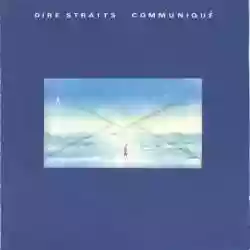
The first album of a band generally encapsulates the best production of their beginnings, their first tours, the youthful compositions. Then the second LP follows in the footsteps, gathering what didn’t make it into the debut album. And given its residual nature, rarely is the second album better than its successful predecessor. The same fate befell Communiqué (1979), overshadowed by the success and the excessive closeness to its predecessor Dire Straits (1978), and it lacks an immortal hit like "Sultans Of Swing". The word most often found in the reviews of this album is "clone".
But what remains of this album nearly thirty years after its release? An album fresh, I think more listenable than its older sibling, with a Mark Knopfler less pop and more Dylan, where the leader's crystalline Fender is heard far and wide in every song without having to share the stage with keyboards, sax, or pedal steel.
"Once Upon A Time In The West", "Where Do You Think You're Going?", "Follow Me Home" are shining examples of what Knopfler can do with a simple rhythmic base, his deep voice, and his guitar. Perhaps a genre abandoned too soon, in search of hits at times, at others excessive orchestration.
And so, while anyone approaching the world of Dire Straits will be charmed by the great hits such as "Money For Nothing" or by more complex albums like "Brothers In Arms", I'm sure that over the years, ears will start to prefer the rougher and more essential Knopfler.
Loading comments slowly
Summary by Bot
The review reflects nostalgia for concise and idea-rich vinyl albums like Dire Straits' Communiqué. Although overshadowed by their debut, this second album offers a fresher, more listenable experience featuring Mark Knopfler's distinctive guitar and voice. The album is praised for its essential style and standout tracks, suggesting it deserves more appreciation over time.
Other reviews
By claudio carpentieri
"Where Do You Think You’re Going" is one of the group’s underrated masterpieces, featuring brilliant guitar solos at a climactic moment of Knopfler’s career.
"Lady Writer" moves over a seductive chord progression and a well-sustained rhythm that peeks into an unpredictable and slowed-down chorus.
By AJM
"News, in the second position, already creates a delicate atmosphere that was unknown in the first album; Knopfler’s fingers touch the strings gently and the voice sometimes seems afraid to let itself be heard too much."
"Mark Knopfler winks at JJ Cale for the technique and Bob Dylan for the lyrics and creates a style that remains unique for now."
By Ocean
"Communiqué" is the polished copy of the previous one.
Professor Knopfler gives us not only magnificent music but also great lyrics.
By Knopfler76
"Even Pick Withers’ drumming is magical, clear, precise, a caress in the night."
"The guitar first saturates the colors, then expands their texture into a kaleidoscope of sensations that prick our skin, opening up its pores, never to close them again."
By Knopfler76
Is there anything more enticing than this album, on a winter evening, when 'News' starts?
The guitar first saturates the colors, then expands their texture into a kaleidoscope of sensations that prick our skin, revealing the pores, to never close them again.
