
 •
Rating:
•
Rating:
THE REVIEW
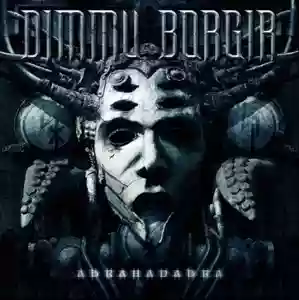
"The magic of renewal!": this is the slogan chosen by the magazine Metal Hammer to describe "Abrahadabra", the new creation by Dimmu Borgir. "Magic", because the Norwegians have produced a work that, although not classifiable as a concept album, is inspired by the occultist writer Aleister Crowley (and also because it seems unreal that the DB managed to keep going, despite the departure of ICS Vortex and Mustis); "renewal", because the trio led by Shagrath "flirts" with Black metal, but allows themselves wide and varied (perhaps too many) liberties.
Well, maybe this time there has been too much renewal: "Abrahadabra" is a record where, except for Shagrath's sulfurous voice and a few riffs here and there, there is quite little Black left: a work that could even be labeled as "Extreme symphonic metal". The result? An album that can be appreciated slightly more compared to "In Sorte Diaboli" (after all, it didn't take much), but quite cold, and certainly not for the icy atmospheres it aims to evoke (see the video for "Gateways", with a Shagrath in "satanic and damned goat" version).
Listening to the album, it is noticeable how the symphonic and orchestral parts (created with the collaboration of the Kringkastingsorkestret, which is not a tongue twister but the "Norwegian Radio Orchestra") and the choirs (branded "Schola Cantorum") dominate now more than ever, giving the Dimmu Borgir sound an epic and supernatural aura. However, don't be fooled: it is evident, in fact, that these elements are used almost as "gap-fillers", probably to compensate for the absence of the two former members, which, sadly, has a significant weight. The bassist Snowy Shaw tries to reach the peaks that Vortex climbed, but these are rather futile attempts. In short, "Abrahadabra" is a work where the convincing episodes cannot even be counted on the fingers of one hand ("Born Treacherous" and, in my opinion, also the single "Gateways", with a Agneta Kjølsrud certainly in good form); for the rest, either pieces with a banal structure, or (especially) tracks where exaggeration and garishness are palpable. Many poorly translated ideas, making "Abrahadabra" a work with a poor passing grade. In short, still nothing doing for Dimmu.
Finally, a curiosity: "Abrahadabra" means "I create as I speak"; let's hope that, next time, the DB don't take this phrase so literally.
Loading comments slowly
Summary by Bot
The review discusses Dimmu Borgir's album Abrahadabra, noting a significant shift from black metal toward symphonic metal. It highlights the heavy use of orchestration and choirs, which soften the band's traditional edge. Despite some standout tracks like 'Born Treacherous' and 'Gateways,' the album suffers from over-exaggeration and lacks cohesion. The departure of key members is felt, and overall, the album scores a mediocre rating.Tracklist Videos
01 Xibir (02:50)
02 Born Treacherous (05:02)
04 Chess With the Abyss (04:08)
06 Ritualist (05:13)
07 The Demiurge Molecule (05:29)
08 A Jewel Traced Through Coal (05:16)
09 Renewal (04:11)
10 Endings and Continuations (05:58)
11 D.M.D.R. (Dead Men Don’t Rape) (04:24)
12 Perfect Strangers (05:01)
13 Gateways (orchestral version) (05:44)
14 Dimmu Borgir (orchestral version) (05:35)
Dimmu Borgir
Dimmu Borgir is a Norwegian symphonic black metal band known for combining extreme metal with prominent keyboards, choirs, and orchestral arrangements.23 Reviews
Other reviews
By The Decline
This is how you can sum up, in just one word, Abrahadabra: TANGLED.
It’s not enough to throw in some good riffs, make the rhythmic base anonymous, mix with a generous splash of orchestra to cover it all and rely on excellent production to package a sufficient product.
