
 •
Rating:
•
Rating:
THE REVIEW
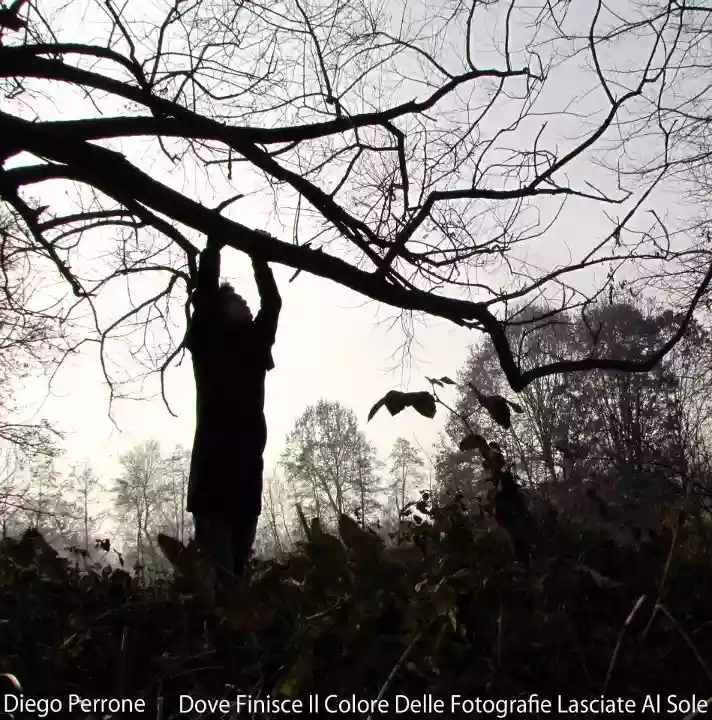
Where the color of photographs left in the sun ends. This is the title, deliberately without a question mark, chosen by Diego Perrone for his first solo album. Already the singer of Medusa and collaborator in Caparezza's sold-out concerts, he begins his solo career with this album of 9 tracks (7 original tracks and 2 covers). It starts with "Uno di quei giorni," a summer song both lyrically and instrumentally, indeed presenting itself as an effective mix of electropop and folk (the use of acoustic guitar and even the mandolin).
With "Cambia sempre," the page turns, and the sunny atmosphere of the previous track gives way to a more introspective vein. "Jackie Treehorn," partly inspired by Henry Mancini's Lujon, is not at the level of the first two but does not appear as filler. Diego's numerous collaborations also appear on this album, featuring the rhythm section of Linea77 (Dade and Tozzo), Gabriele Ottino and Davide Tomat (already active in N.A.M.B and now involved in the Niagara project with Perrone himself) up to the inevitable Caparezza (whose list of features is becoming increasingly extensive). The latter appears in vocals—and lyrics—in "Santostefano," rich in the part sung by the Apulian "rapper" with references ranging from Daft Punk to Uochi Toki. The album is completed with the two covers—"Pop Life" by Prince and "Summer on a Solitary Beach" by Battiato—and ends with the two most instrumental tracks of the record, "Surf 2012," which speaks of a Turin submerged by water, and "Made 4 Love," with only 3 words articulated by a vocoder.
Ultimately, the 7 original songs show a composition steering towards electronics with pop choruses, one of the strengths of this work along with the voice; the only fillers appear to be the 2 covers; in fact, if "Pop Life" is rendered more electronic compared to the original, "Summer on a Solitary Beach," characterized by almost psychedelic vocals and choruses, appears too faithful to the original, but all in all, it works since there was a risk of distorting a masterpiece.
Loading comments slowly
Summary by Bot
Diego Perrone launches his solo career with a 9-track album blending electropop and folk influences. Highlighted by strong vocal performances and collaborations with notable artists like Caparezza and Linea77 members, the album explores both sunny and introspective moods. Two covers add variety, with one modernized and the other paying homage to the original. Overall, this album marks a promising start for Perrone’s solo path.
Diego Perrone
Singer who had been part of Medusa and collaborated in Caparezza's concerts; released his first solo album 'Dove finisce il colore delle fotografie lasciate al sole', a 9-track record mixing electropop, folk and electronic elements.01 Reviews
