
 •
Rating:
•
Rating:
THE REVIEW
As the '80s draw to a close, hardcore punk is in total disarray. Still far from being reborn in melodic and commercial form in the mid-'90s, at the end of the decade that saw it thrive, HC seems like a sinking ship: everyone is abandoning it. Of the bands that created its epic, very few, among those that haven't already split up, remain true to the cause, while all the others migrate toward other sounds: some intensify the sound by hardening it with metal (Agnostic Front, D.R.I.), others soften and slow down (7 Seconds, JFA), and there are those who, as pioneers, explore the still wild land of alternative, in pre-Nirvana years when the term meant everything and nothing. This is the case with our Die Kreuzen.
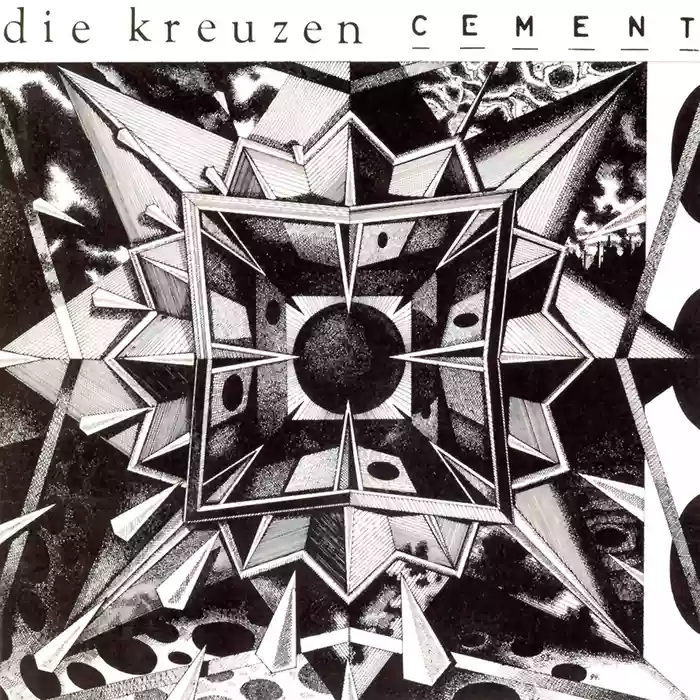
After a first dazzling self-titled album, a cornerstone of more elaborate hardcore punk (but no less brutal for it), the Wisconsin band was among the first to break away from the Scene and reinvent themselves with completely different music: already in the third, beautiful album "Century Days" there's little punk in the strict sense, replaced by proto-grunge guitars, a discussion that is continued and expanded upon in this, even better, " Cement" of 1991. There's much to say in this, unfortunately final, work of the Crosses: it's a splendid, visceral, intense album, as little known by the public (who will always remain anchored to the first historic LP) as it is vibrant with memorable songs imprinted by a Butch Vig at the dawn of his golden period.
It's an intimate and introspective album, richer than ever before with ballads that are never trivial and never sugary: Blue Song which almost seems to anticipate Pearl Jam, the acoustic-tinged Deep Space that recalls R.E.M., the incredible Shine and an acoustic version of Gone Away (already appeared on the eponymous EP) placed at the end, so beautiful it takes your breath away. Of course, there are also more robust tracks like the initial Wish, the Soundgarden-esque Big Bad Days, or a Downtime with a vaguely martial pace, but I think that making a sterile list of the tracks diminishes the album: it's a coherent, powerful work, with very few drops in tension and almost none in quality. A special applause for the magnificent guitar work of Brian Egeness, here also on piano when needed.
The only negative note of this album, as far as I'm concerned, is simply it being the last of a band never celebrated enough; there's regret for what they could have created, there's anguish for what could never happen, but also, and above all, there remains the music, which fortunately is the most important thing.
Loading comments slowly
Summary by Bot
Die Kreuzen’s 1991 album Cement marks a bold transformation from hardcore punk into a richer, more introspective alternative rock style. Produced by Butch Vig, the album blends intense and melodic elements with memorable tracks that hint at early grunge and alternative sounds. Though lesser known than their debut, Cement showcases powerful songwriting and musicianship, notably Brian Egeness’s guitar work. The review praises the album as a coherent and vital final chapter for a band unjustly underappreciated.Tracklist
Die Kreuzen
Die Kreuzen are an American band from Milwaukee, Wisconsin, formed in 1981. Starting in hardcore punk, they evolved toward post-hardcore and alternative rock, culminating in their acclaimed final album, Cement (1991).02 Reviews
